Melchizedek ('King of Righteousness,' ruler of Salem/early Jerusalem) appears for barely sixty Hebrew words in Genesis 14:18–20, bringing bread and wine and blessing Abraham. Because Genesis omits his parentage and death, Psalm 110, the Dead Sea Scrolls (11Q13), rabbinic tradition, and Hebrews 7 all turned him into the blueprint for an eternal priest-king.
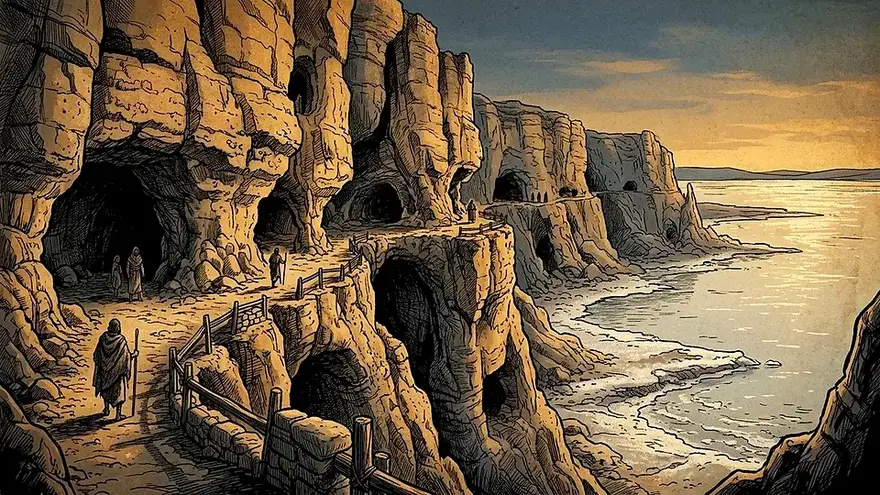
Three mysterious verses in the Valley of the Kings
Returning from rescuing Lot in Genesis 14, Abraham meets two kings at once: the corrupt King of Sodom and Melchizedek, king of Salem and priest of El Elyon ('God Most High').
Melchizedek brings out bread and wine, blesses Abraham, receives a tenth of everything—and vanishes from the rest of the Torah without a genealogy or death notice.
Genesis 14:18–20“And Melchizedek king of Salem brought out bread and wine. (He was priest of God Most High.) ... And Abram gave him a tenth of everything.”
Why It Matters: KJV's 'without descent' led readers to imagine Melchizedek had no biological parents, whereas the author of Hebrews coined the Greek adjective agenealogētos ('without recorded genealogy') because Genesis—obsessed with family trees—omits Melchizedek's birth and death.
Scrolls & Archaeology: Under Second Temple Levitical law (Ezra 2:61–62), any priest unable to produce his written ancestral register was immediately barred from altar service, making Melchizedek's unpedigreed priesthood superior to Aaron's. In 1965, Adam van der Woude published thirteen fragments of Qumran scroll 11Q13 (11QMelchizedek, c. 75–50 BCE), revealing that Essene scribes viewed Melchizedek as an exalted heavenly elohim proclaiming Isaiah 61's Jubilee release against Belial.
Why Israel's kings were strictly banned from being priests
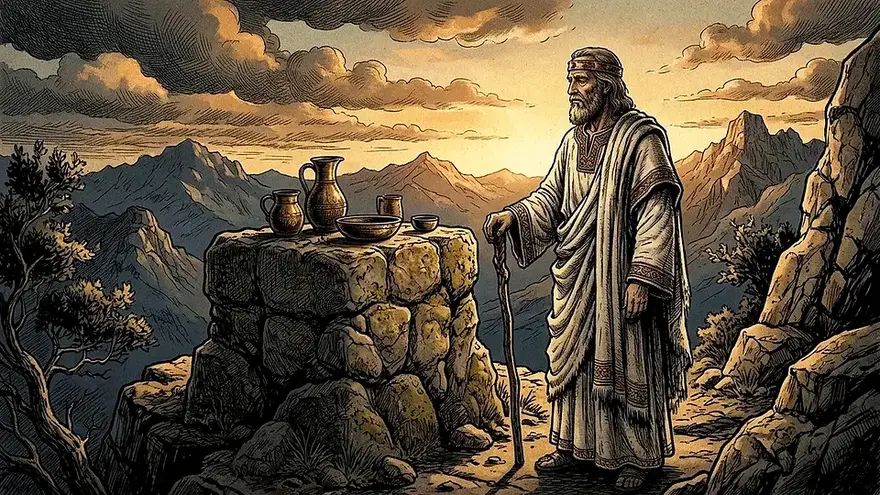
Under Moses's law, crowns belonged to Judah (David's tribe) and altars belonged to Levi (Aaron's tribe). When King Uzziah dared burn incense himself in 2 Chronicles 26, leprosy struck his forehead on the spot.
That makes Psalm 110:4 breathtaking: a royal Davidic psalm suddenly swears the coming Messiah will be both King AND 'a priest forever after the order of Melchizedek.'
Psalm 110:4“The LORD has sworn and will not change his mind, 'You are a priest forever after the order of Melchizedek.'”
Cave 11's Dead Sea Scroll vs. the Rabbis' 'He Was Noah's Son Shem'
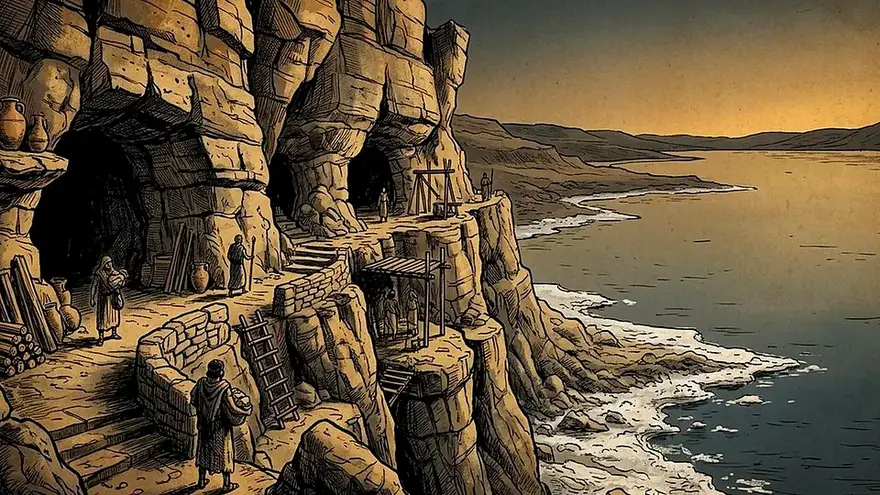
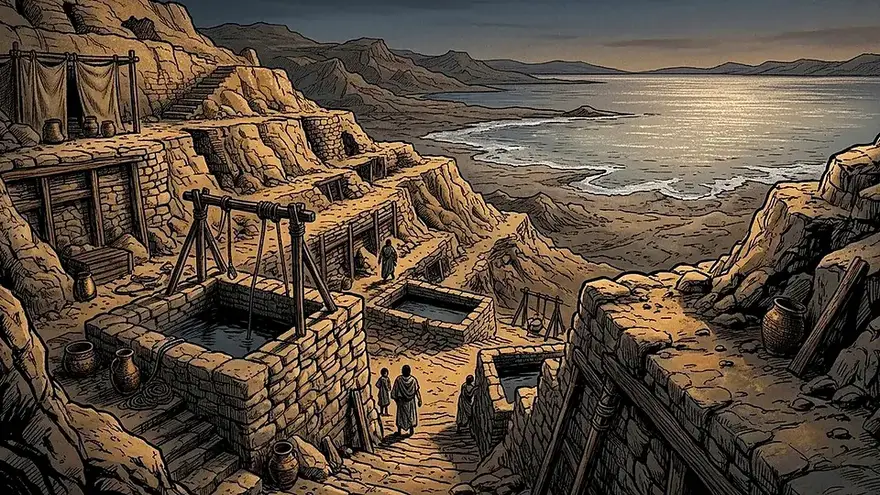
In 1956, Cave 11 at Qumran yielded scroll 11QMelchizedek (11Q13), picturing Melchizedek as an exalted heavenly figure proclaiming Jubilee release and judging dark powers at the end of days.
Meanwhile, ancient rabbis added up the lifespans in Genesis 11 and noticed Noah's son Shem outlived Abraham by 35 years—concluding in Talmud Nedarim 32b that Melchizedek was actually aged Shem!
Dead Sea Scroll 11Q13 (Col. II)“Melchizedek will carry out the vengeance of God's judgments, and on that day he will free them from the hand of Belial.”
How Hebrews 7 reads Genesis's silence as deliberate design
How could Jesus—born from the royal tribe of Judah rather than priestly Levi—serve as High Priest? Hebrews 7 points straight back to Genesis 14.
Because Genesis obsessively records everyone's parents except Melchizedek's ('without father or mother or genealogy'), Hebrews reads him as a literary portrait of an older, indestructible priesthood.
Hebrews 7:3“He is without father or mother or genealogy, having neither beginning of days nor end of life, but resembling the Son of God he continues a priest forever.”
Three Ancient Ways Readers Understood Melchizedek
Why sixty Hebrew words in Genesis 14 echoed for two thousand years.
| Tradition | Primary Text | Who Was Melchizedek? | Key Takeaway |
|---|---|---|---|
| Rabbinic Tradition | Talmud Nedarim 32b; Targums | Noah's aged son Shem still alive in Salem | Explains monotheistic priest of El Elyon |
| Qumran Dead Sea Scrolls | 11QMelchizedek (11Q13) | Exalted heavenly prince judging Belial | Turns Melchizedek into an angelic redeemer |
| Epistle to the Hebrews | Hebrews 7:1–17 | Historical king whose omitted genealogy foreshadows Christ | Unites royal Judahite crown with eternal priesthood |
What to Remember
- Three mysterious verses in the Valley of the Kings (Genesis 14:18–20).
- Why Israel's kings were strictly banned from being priests (Psalm 110:4).
- Cave 11's Dead Sea Scroll vs. the Rabbis' 'He Was Noah's Son Shem' (Dead Sea Scroll 11Q13 (Col. II)).