 Watch Film
Why Genesis Opens With Two Opposite Creation Stories
Read Genesis 1 and Genesis 2 side by side—the entire order of creation flips upside down.
Watch & Read Breakdown →Watch our 12 published YouTube documentaries or browse all 75 illustrated Hebrew & Greek episode guides.
Click any film to watch the documentary and read its full source breakdown.
Watch Film Read Genesis 1 and Genesis 2 side by side—the entire order of creation flips upside down.
Watch & Read Breakdown →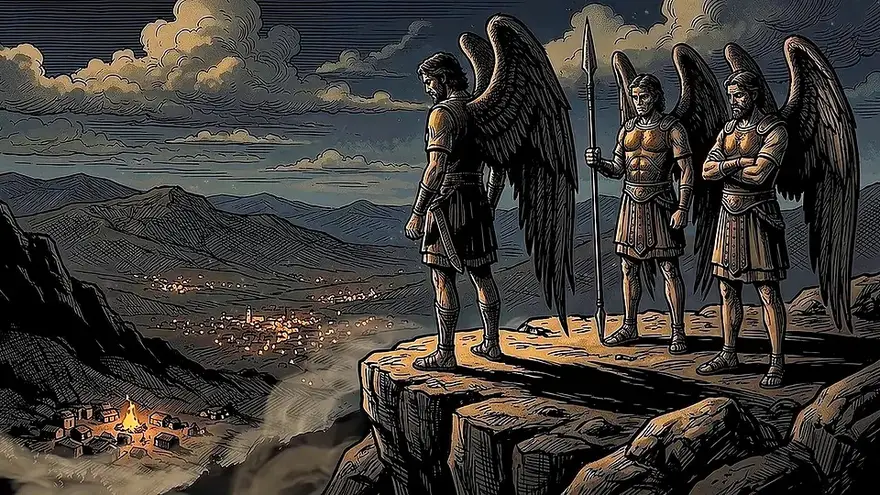 Watch Film
Four cryptic verses right before Noah's Ark mention 'sons of God,' human daughters, and ancient giants.
Watch & Read Breakdown → Watch Film
Count the characters in Genesis 4: Adam, Eve, Cain, and a murdered Abel. So who else is out there?
Watch & Read Breakdown → Watch Film
An ancient Egyptian papyrus of Revelation writes the Beast's number as 616—solving the 2,000-year riddle.
Watch & Read Breakdown →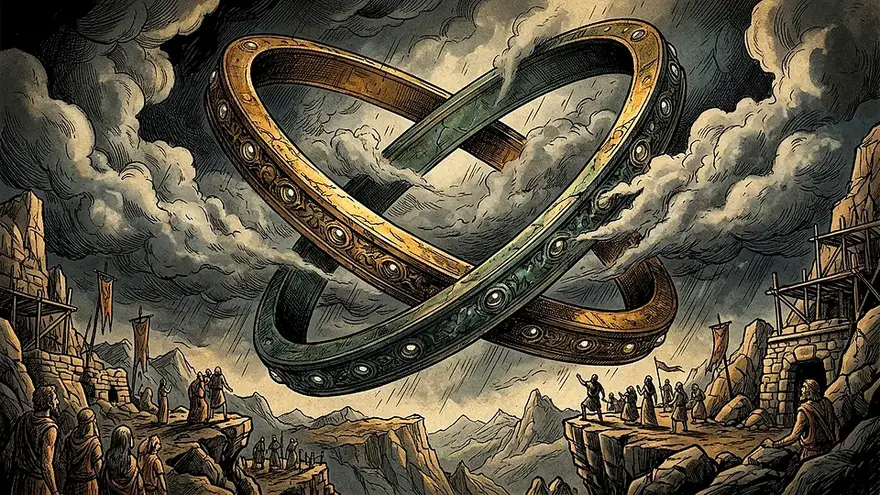 Watch Film
Actual 'angel' messengers in the Bible never have wings—while multi-eyed wheels and six-winged Seraphim aren't called angels.
Watch & Read Breakdown →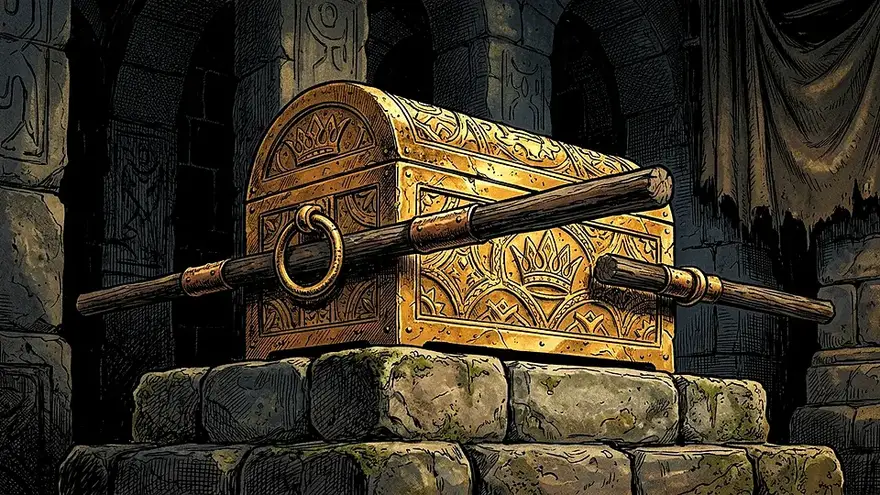 Watch Film
In 586 BCE, Babylon listed every spoon and basin looted from Solomon's Temple—except the Ark.
Watch & Read Breakdown →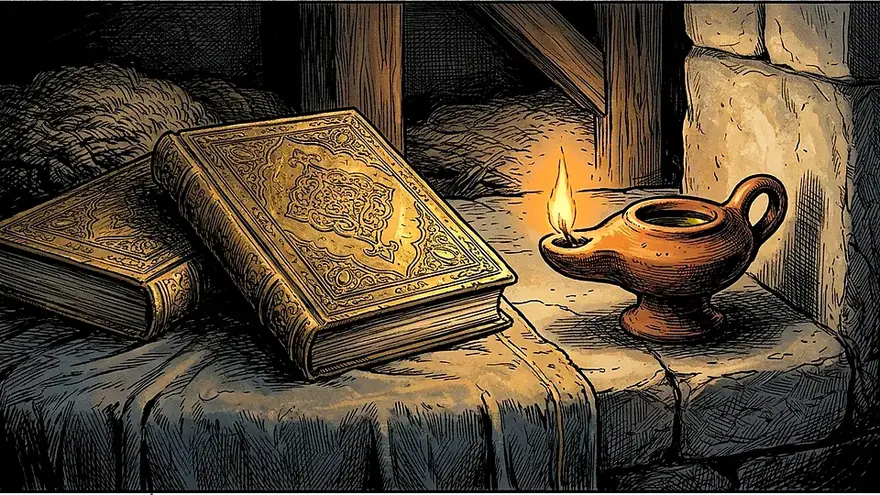 Watch Film
From the Book of Enoch to the Apocrypha—who actually decided what stayed and what was cut?
Watch & Read Breakdown → Watch Film
Older English Bibles translated four completely different ancient words with the single word 'hell.'
Watch & Read Breakdown → Watch Film
In the Hebrew Bible, 'ha-satan' isn't a personal name—it's a job title in God's courtroom.
Watch & Read Breakdown → Watch Film
How one Hebrew word for a desert night-bird in Isaiah 34 turned into medieval folklore about Adam's 'first wife.'
Watch & Read Breakdown → Watch Film
Read all 20 hardening verses in Exodus in order—a striking pattern appears across the first five plagues.
Watch & Read Breakdown → Watch Film
Why all four Gospels skip eighteen years in a single sentence—and how the 'Jesus in India' myth started.
Watch & Read Breakdown →Showing all 75 episodes
Film Read Genesis 1 and Genesis 2 side by side—the entire order of creation flips upside down.
Few verses have caused more sleepless nights—yet the Greek grammar of Mark 3:30 says the opposite of what anxious readers fear.
He promised the thief 'Today in Paradise,' Acts says He entered Hades, and 1 Peter says He preached to 'spirits in prison.'
Film Four cryptic verses right before Noah's Ark mention 'sons of God,' human daughters, and ancient giants.
In Matthew 24's Flood comparison, the people swept away are the wicked—and Noah's family are the ones left behind.
No Hebrew or Greek writer in the Bible ever named Satan 'Lucifer'—and Jerome's Latin Bible used that exact word for Jesus.
Film Count the characters in Genesis 4: Adam, Eve, Cain, and a murdered Abel. So who else is out there?
Film An ancient Egyptian papyrus of Revelation writes the Beast's number as 616—solving the 2,000-year riddle.
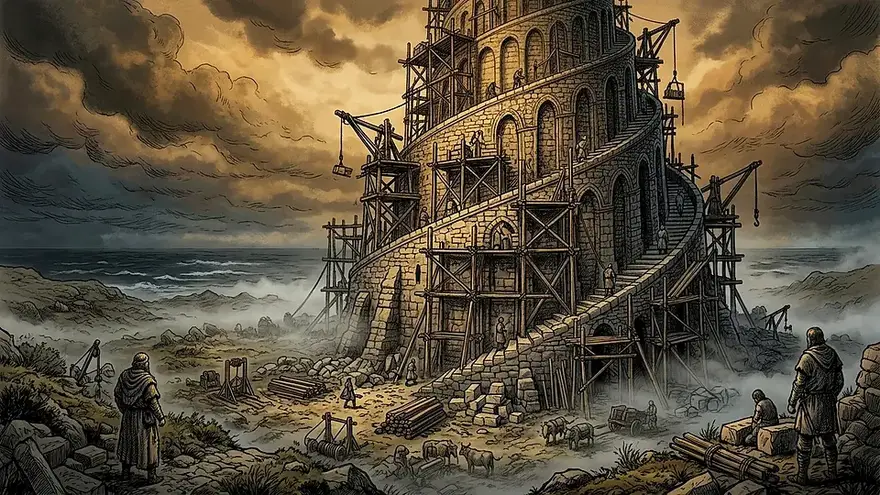
Ancient Babylonians didn't think a brick tower could poke into outer space—excavating real ziggurats flips the whole story.
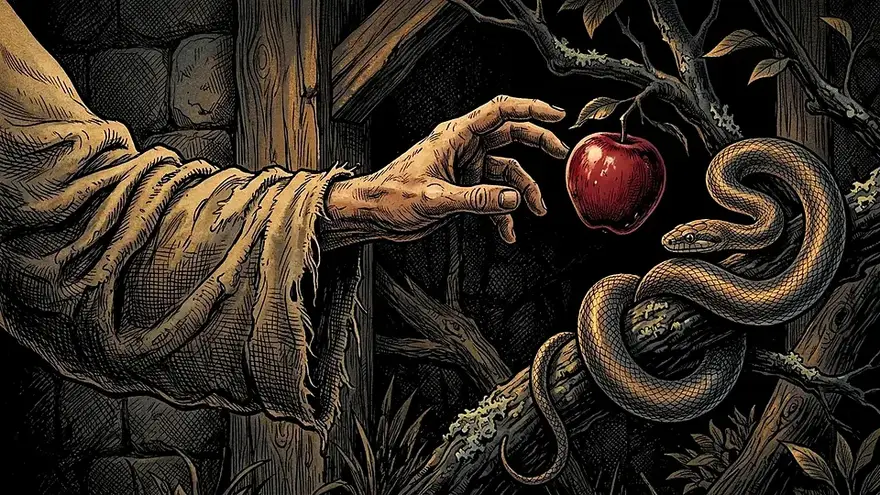
Genesis never says 'apple'—so how did a 4th-century Latin pun and John Milton rewrite everyone's mental picture of Eden?
Film Actual 'angel' messengers in the Bible never have wings—while multi-eyed wheels and six-winged Seraphim aren't called angels.
Film In 586 BCE, Babylon listed every spoon and basin looted from Solomon's Temple—except the Ark.
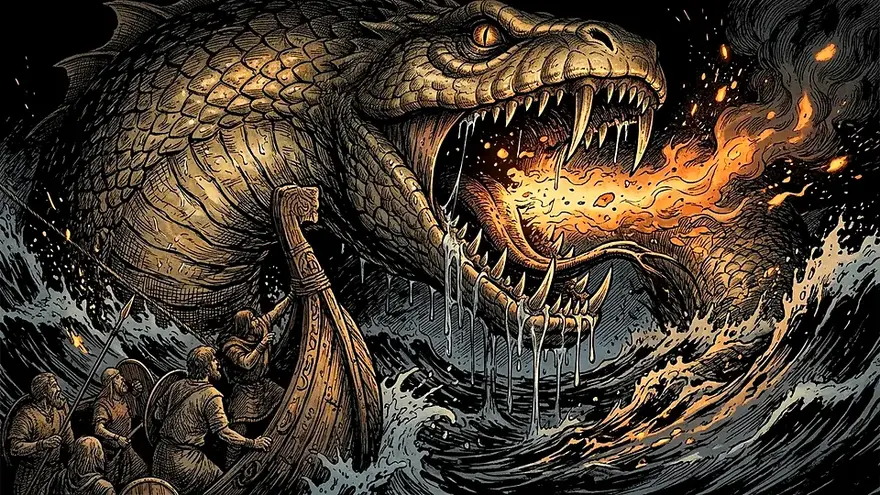
Study-Bible footnotes calmly say 'hippo and crocodile'—until you read the fire-breathing jaws, boiling sea, and seven heads.
Film From the Book of Enoch to the Apocrypha—who actually decided what stayed and what was cut?
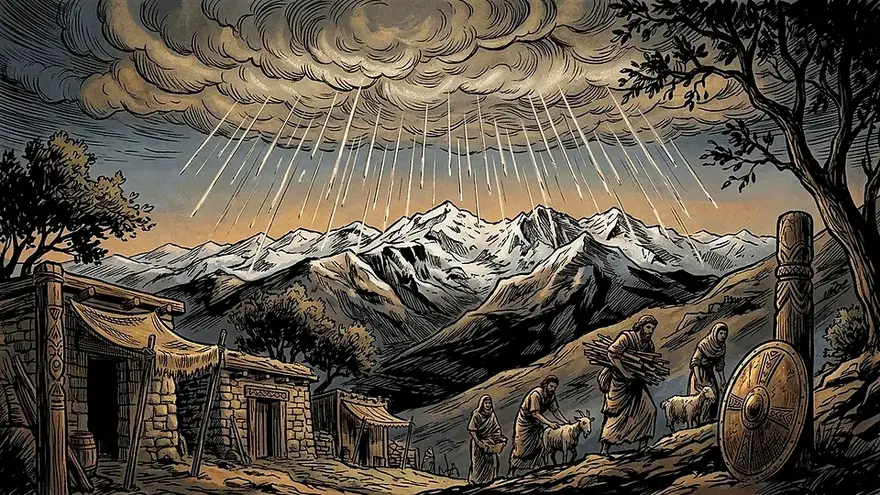
Flip to Jude 1:14 near the back of the New Testament, and Jesus's own brother quotes a 'lost' book word-for-word.
In older English Bibles it reads like a touchy prophet siccing bears on toddlers over a haircut insult.
No one in 1 Samuel 28 is more terrified when the prophet Samuel rises than the woman hired to summon him.
Read Matthew 27:5 right beside Acts 1:18, and the New Testament appears to give Jesus's betrayer two completely different deaths.
Film Older English Bibles translated four completely different ancient words with the single word 'hell.'
Not a single verse in Matthew, Mark, Luke, or John ever calls Mary of Magdala a prostitute or adulteress.
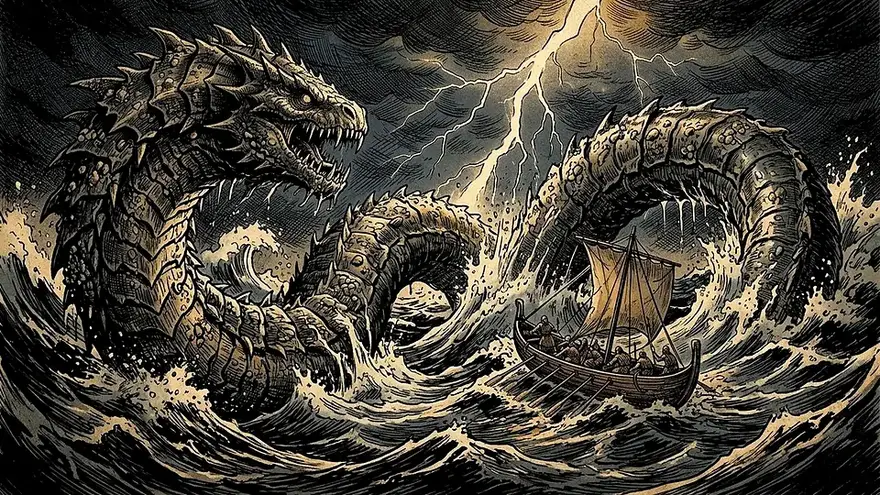
Two centuries before scientists coined the word 'dinosaur,' the 1611 Bible filled Old Testament seas and deserts with 'dragons.'
Film In the Hebrew Bible, 'ha-satan' isn't a personal name—it's a job title in God's courtroom.
Film How one Hebrew word for a desert night-bird in Isaiah 34 turned into medieval folklore about Adam's 'first wife.'
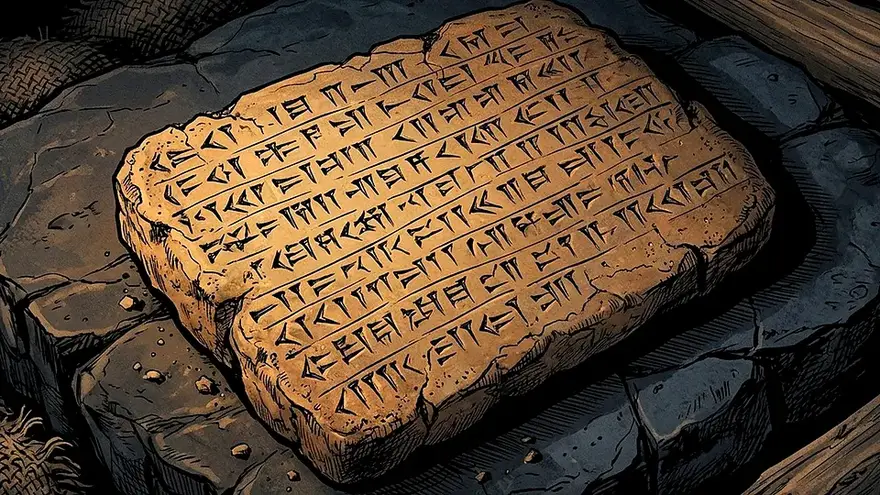
Nine hundred sixty-nine years sounds staggering today, yet beside Mesopotamia's pre-Flood chronicles, Genesis looks strikingly restrained.
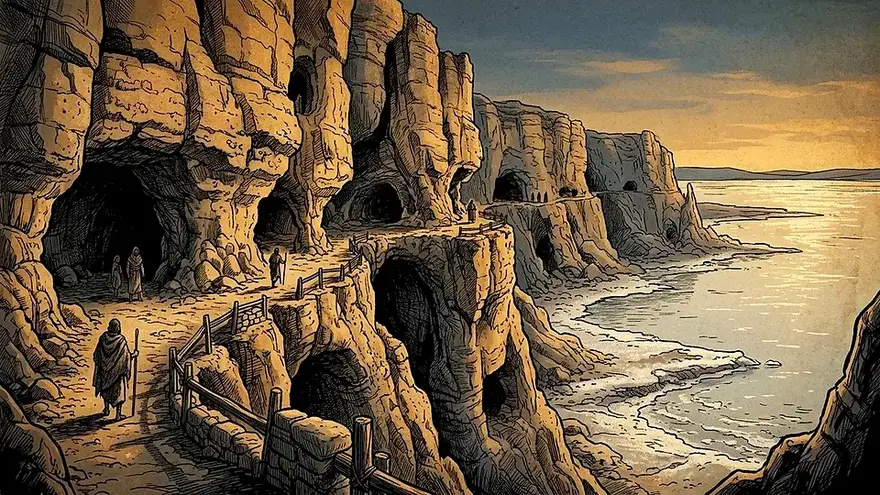
He walks onto the page for three verses in Genesis 14—no parents, no birth, no death—and reshapes the entire Bible.
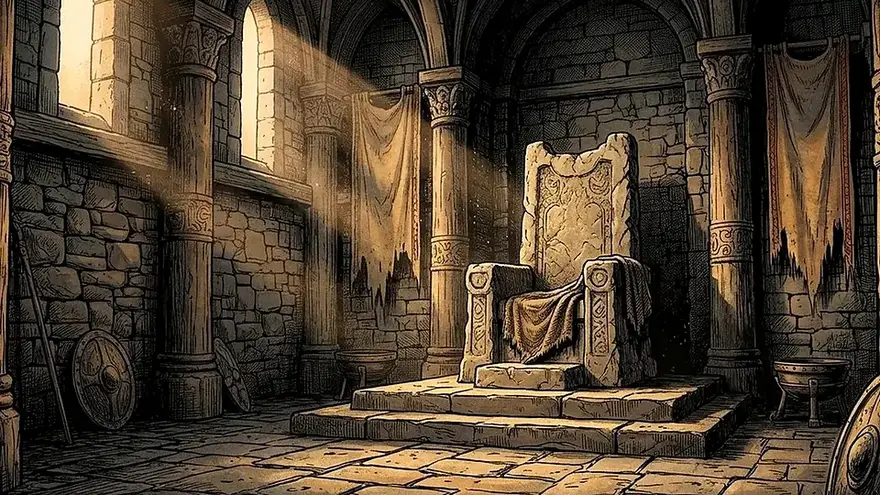
How one puzzling verse about silent stone-cutting at Solomon's Temple sparked a 2,000-year legend of a magic ring.
Film Read all 20 hardening verses in Exodus in order—a striking pattern appears across the first five plagues.
Film Why all four Gospels skip eighteen years in a single sentence—and how the 'Jesus in India' myth started.
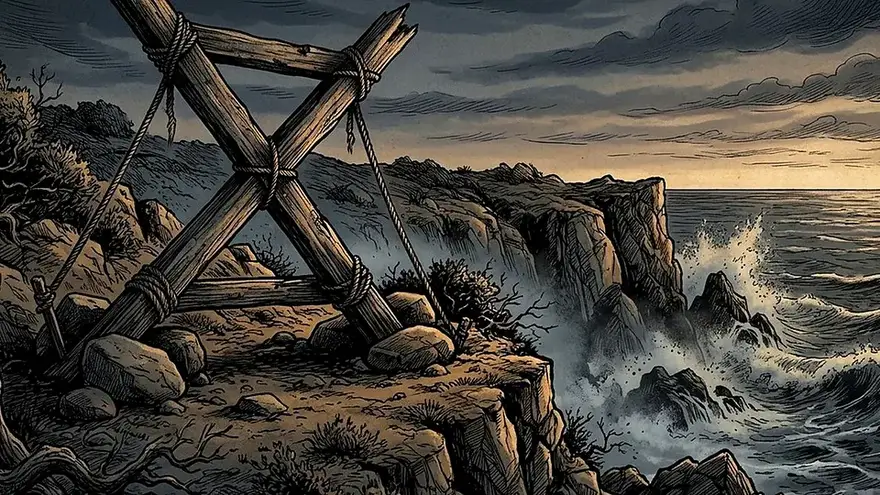
The Bible itself only records two apostle deaths—yet 1834 coin digs stunned skeptics on the Thomas story.
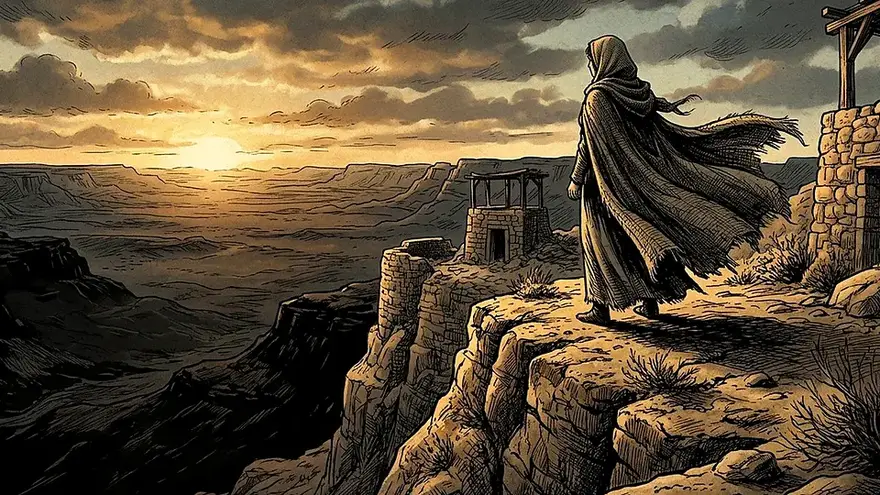
Popular culture treats the Mark of Cain as a brand of shame, yet in Hebrew it saved his life.
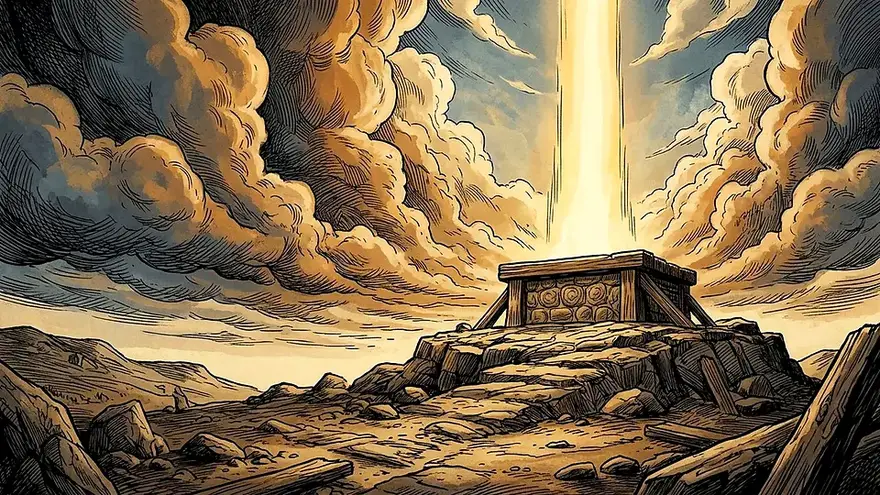
Eight times in a row Genesis 5 tolls the funeral bell 'and he died'—then at generation seven, the bell stops.
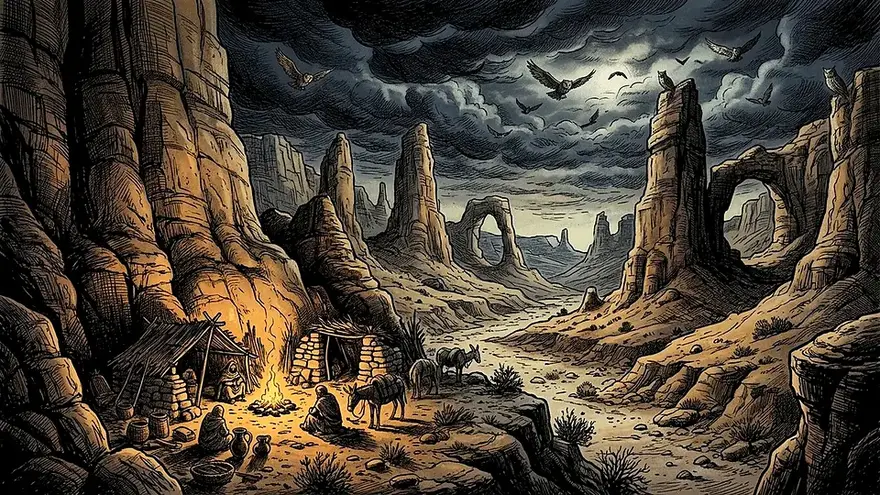
In seven breathless verses at a midnight river crossing, Scripture calls Jacob's mysterious opponent a man, an angel, and God.
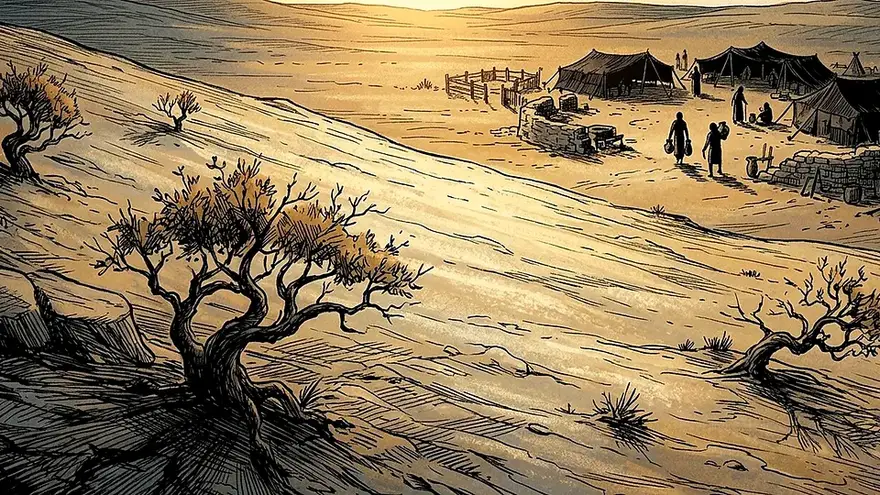
After forty grueling years shepherding Israel across burning stone, Moses lost Canaan over two furious swings of a staff.
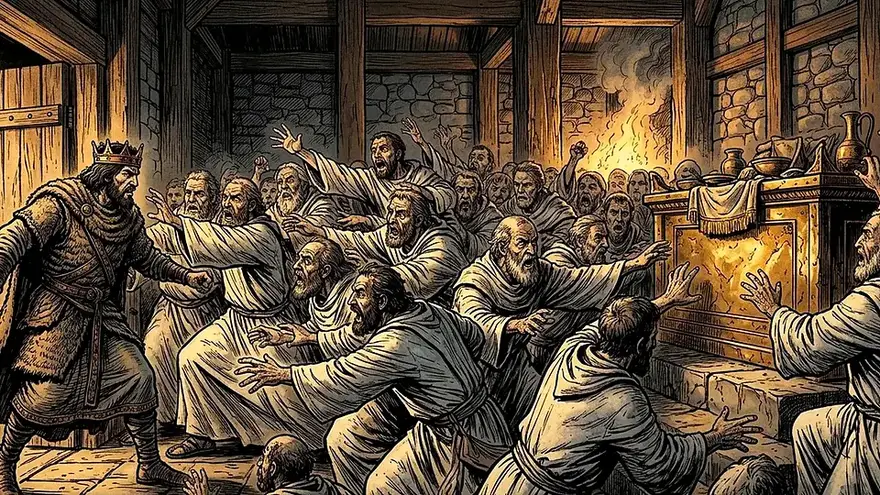
Tucked inside a folded pouch over the High Priest's heart sat two mysterious objects that decided wars and exposed kings.
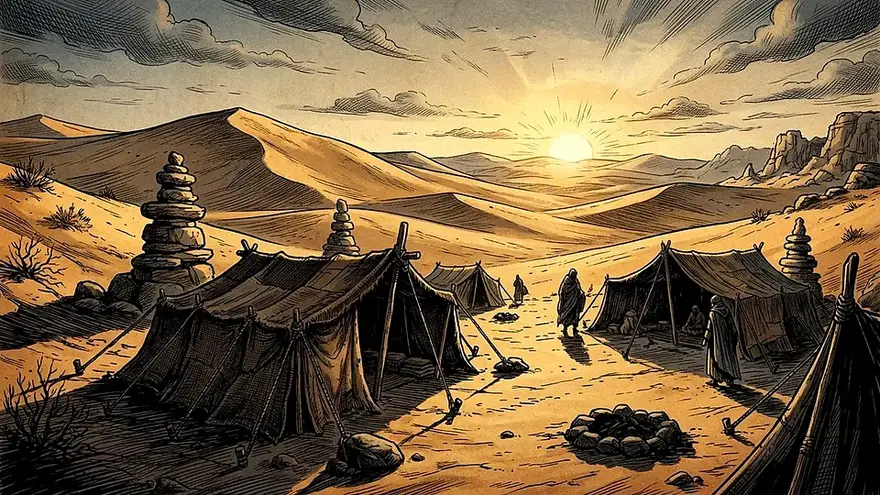
Israel ate it every morning for forty years, yet its permanent name in Scripture is still a baffled question.
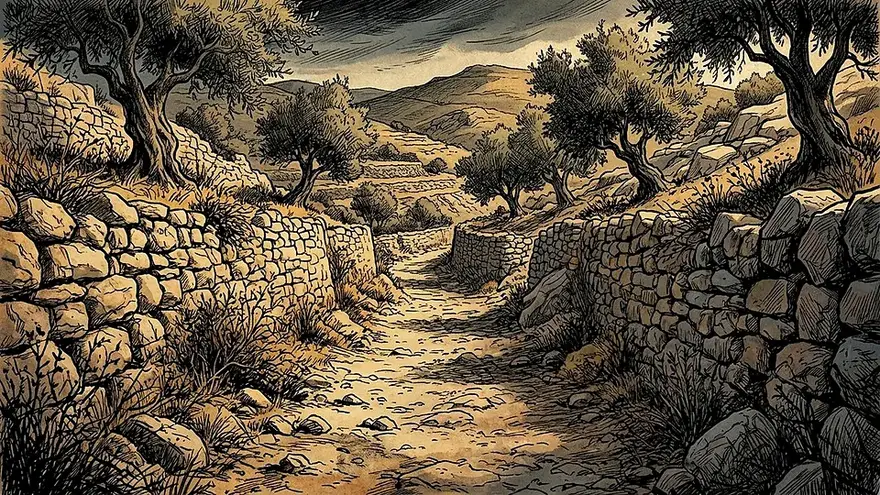
For centuries skeptics dismissed Balaam as pure Hebrew fable—until archaeologists in Jordan dug up his name on a shattered temple wall.
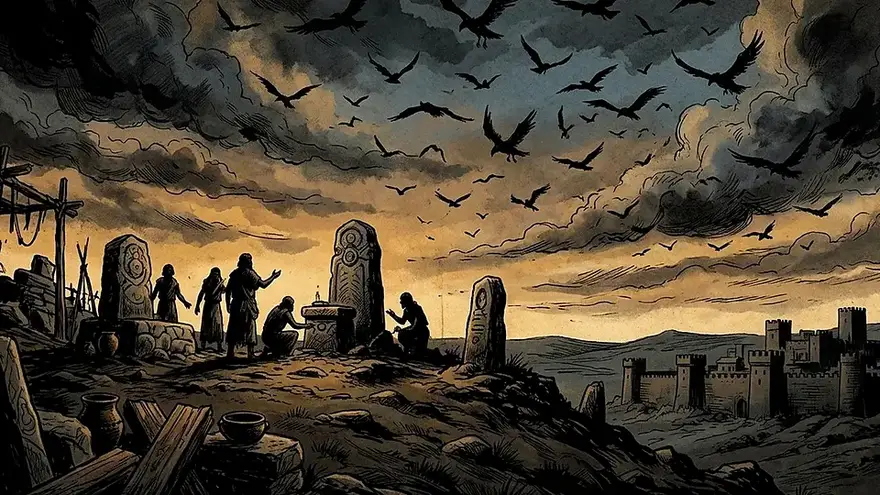
Before marching into battle, an outcast general bargains with God—and watches his only child dance out the front door to meet him.
Peter told Ananias he had every right to keep all his money—moments before both husband and wife fell dead on the floor.
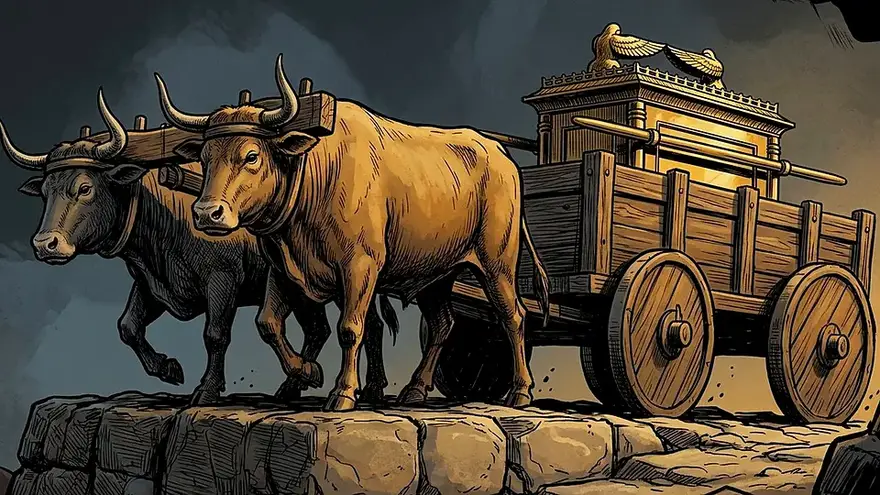
When oxen stumbled on a rough road, Uzzah reached out to catch the gold Ark—and dropped dead beside it.
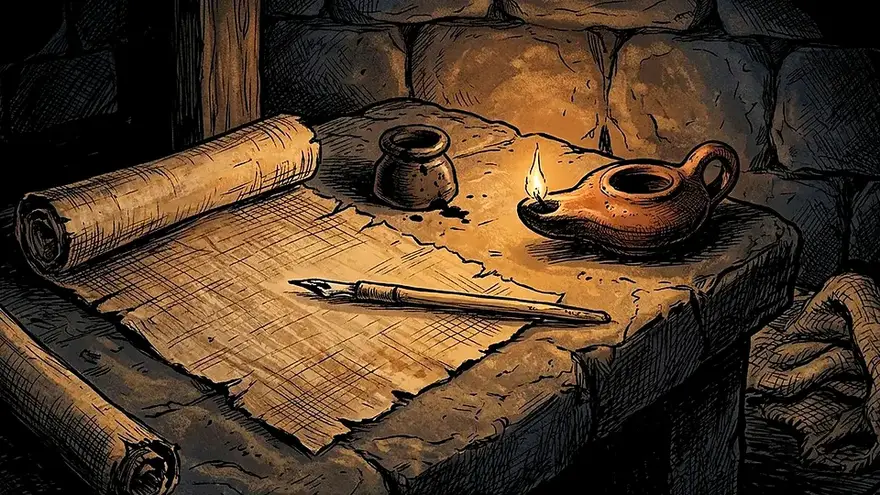
Near the end of a tender letter about love and forgiveness, John drops one chilling line about a sin beyond ordinary prayer.
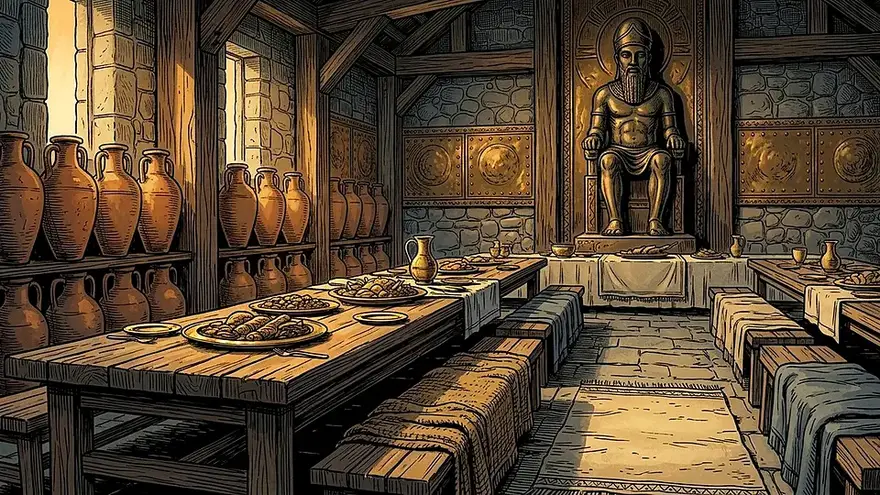
God ordered Moses to cast a bronze snake on a pole—then praised King Hezekiah seven centuries later for smashing it to pieces.
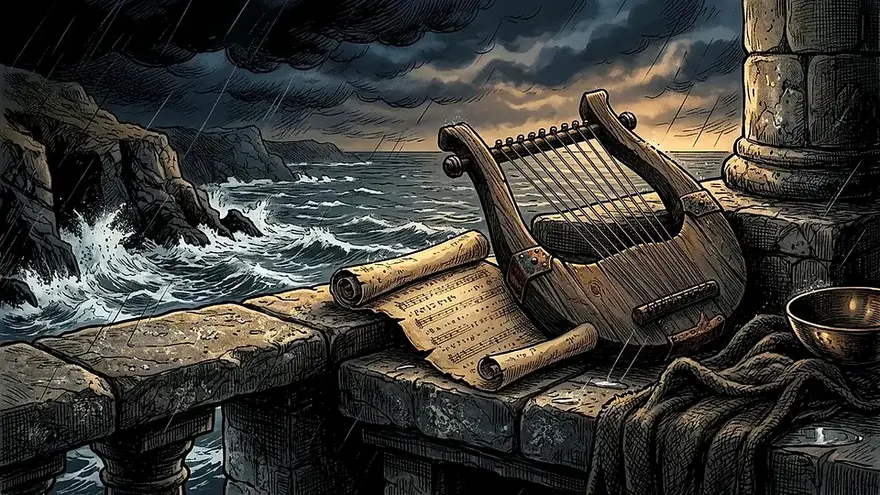
Seventy-four times in the Old Testament, English translators quietly gave up and left one mysterious Hebrew stage direction untranslated.
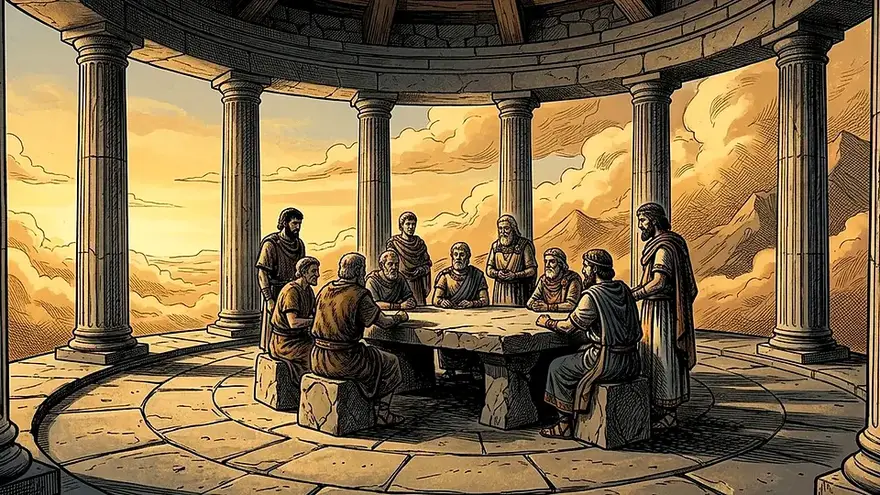
Psalm 82 opens inside a heavenly courtroom where God prosecutes 'the gods'—and sentences them to die like mortals.
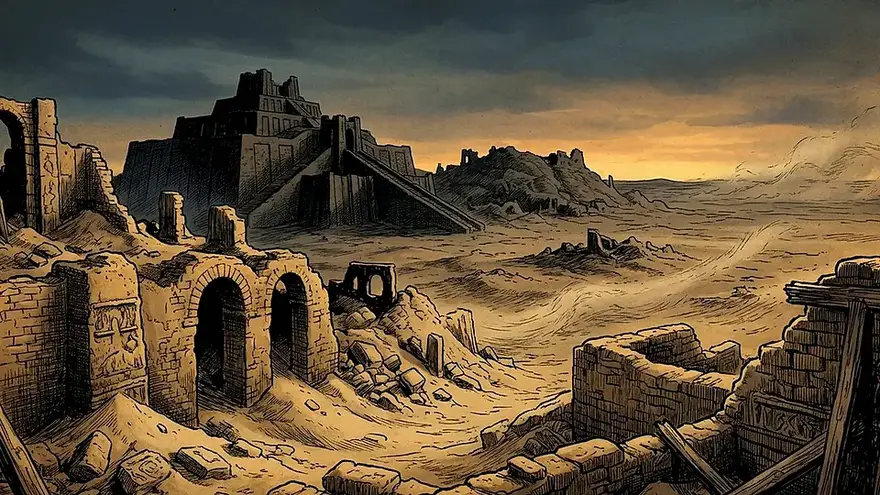
Nine times in the 1611 King James Bible, a ferocious 'unicorn' charges across the page—alongside dancing satyrs and deadly cockatrices.
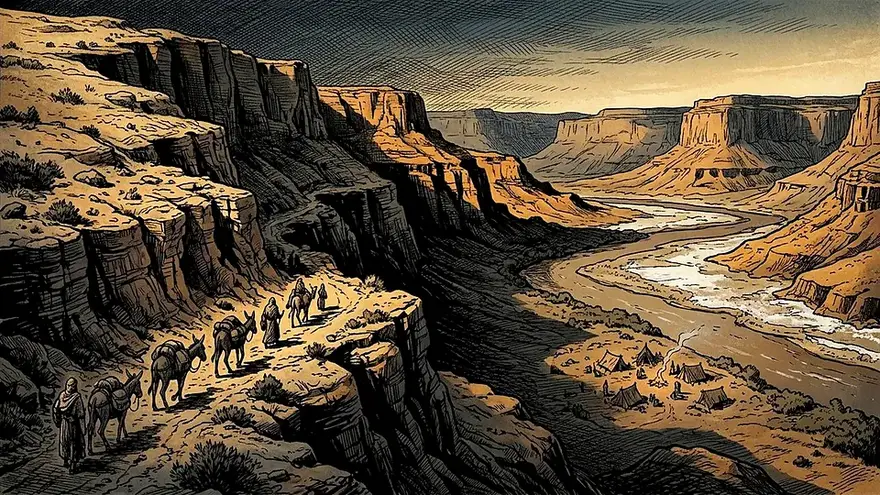
Once a year on Israel's holiest day, the high priest cast two lots—one for YHWH, and one for 'Azazel.'
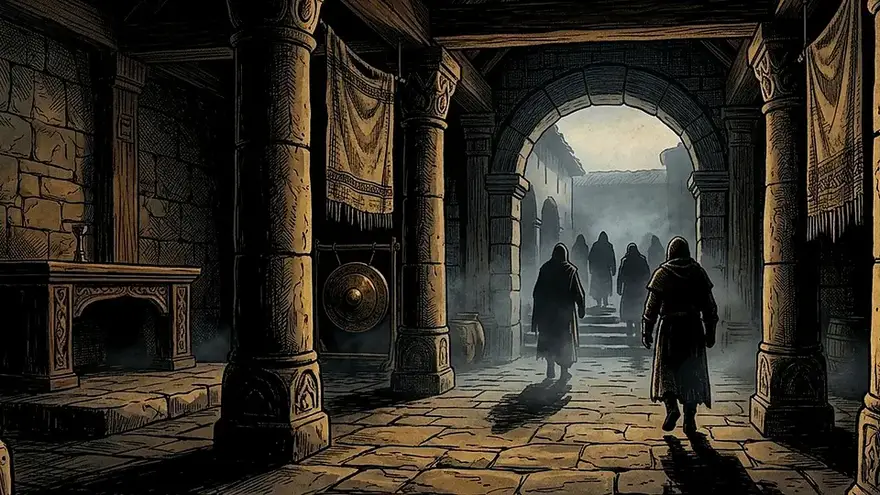
For centuries, English readers thought Israel's kings chopped down harmless 'groves'—until desert clay jars named Canaan's mother-goddess beside YHWH.
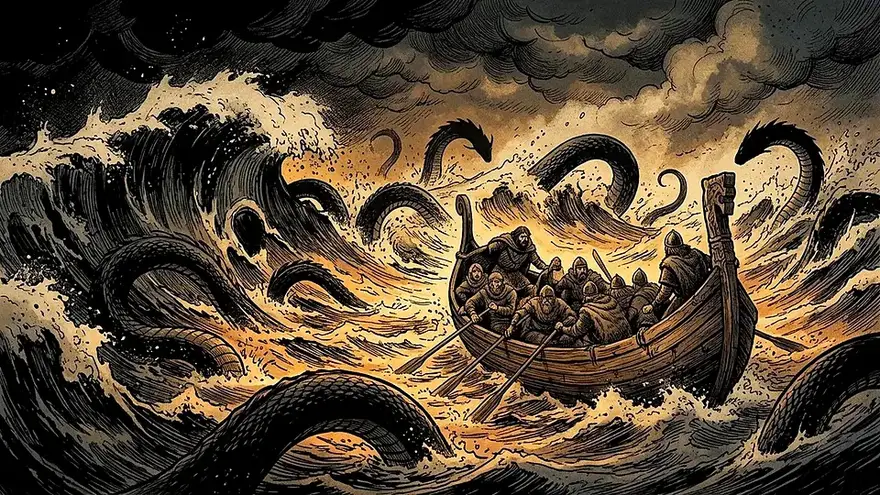
Everyone calls the story 'Jonah and the Whale'—yet the Book of Jonah never uses the word 'whale,' and the fish takes up three verses.
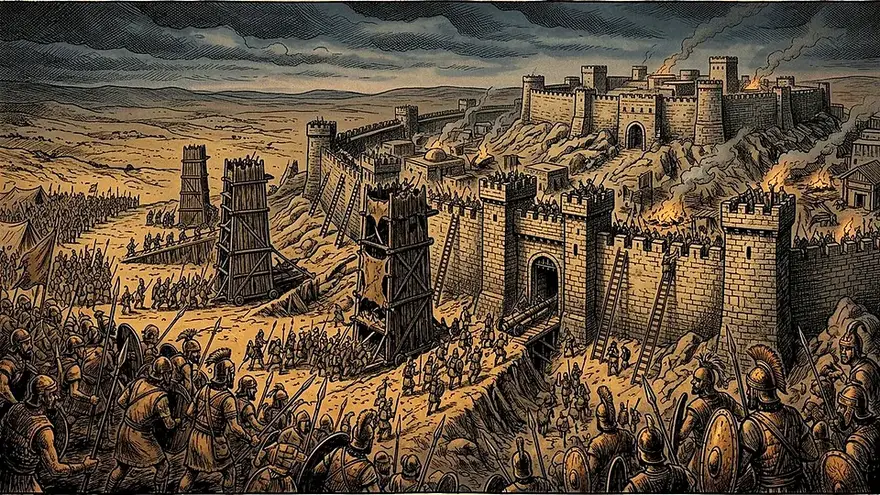
Turn one blank page between Malachi and Matthew, and the entire world changes—new empires, new language, new sects, and King Herod.
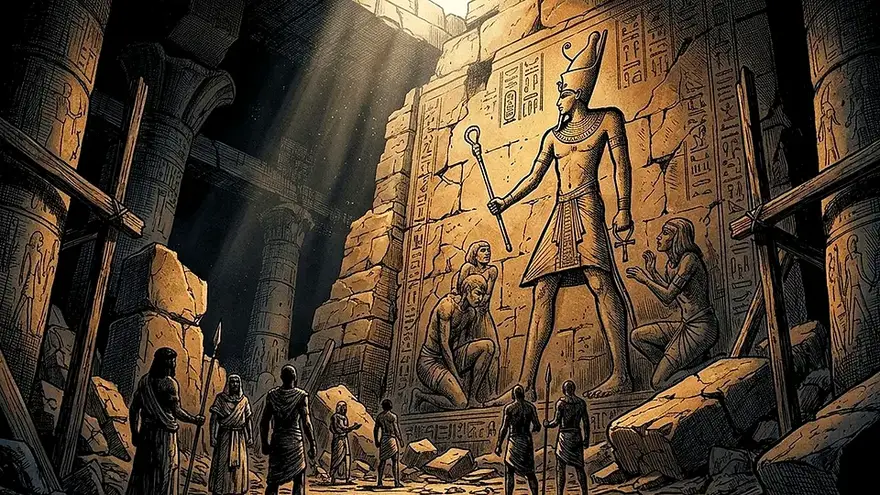
Countless legends claim ten whole tribes of Israel vanished into thin air in 722 BCE—until you read Assyria's own tax receipts.
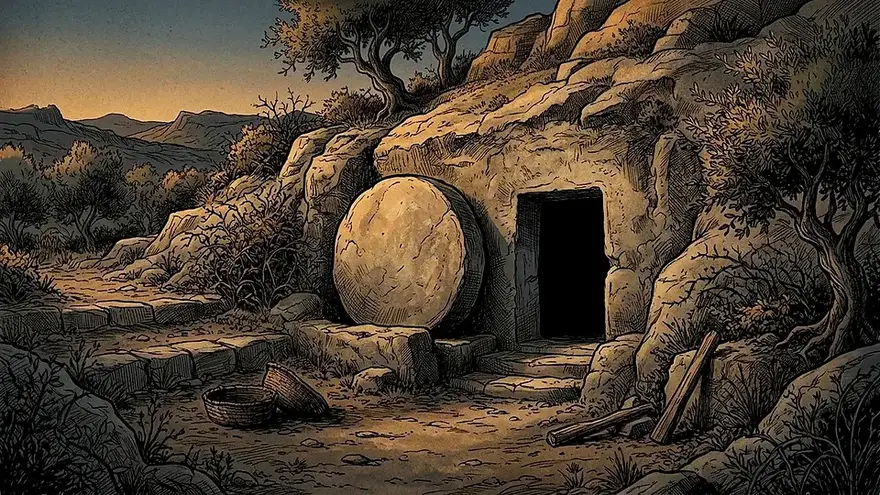
Open almost any modern Bible to Mark 16:8, and a bold editorial bracket interrupts the Resurrection right mid-breath.
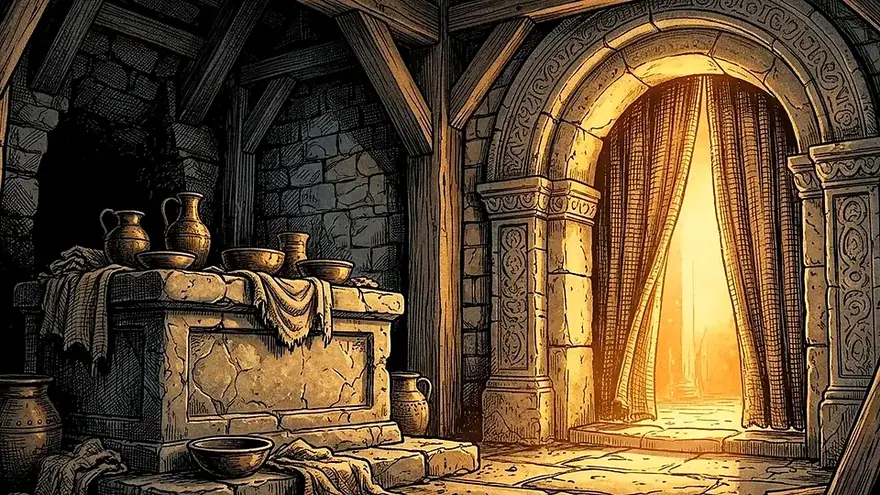
Thirteen letters in the New Testament start with the single word 'Paul'—and then Hebrews opens without a name in sight.
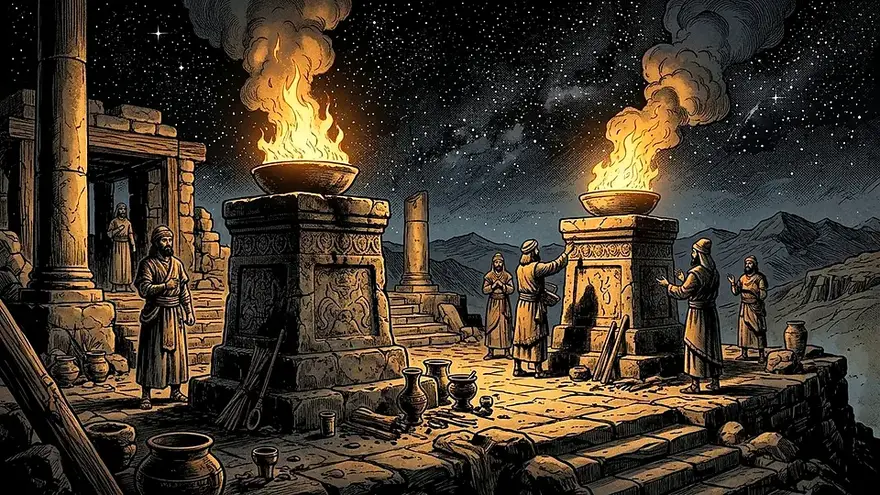
Ask three Christians whether Purgatory is in the Bible, and they may literally open Bibles with different numbers of books.
Matthew never counts three visitors, never crowns them kings, and brings them to a house long after manger night.
On Pontius Pilate's stone judgment platform stood two prisoners who shared the exact same first name—and patronym.
Judas needed a kiss in the torchlight because Jesus of Nazareth looked indistinguishable from every other Galilean working man.
Three years after washing his hands at Jesus's trial, one bloody afternoon on Mount Gerizim ended Pontius Pilate's career.
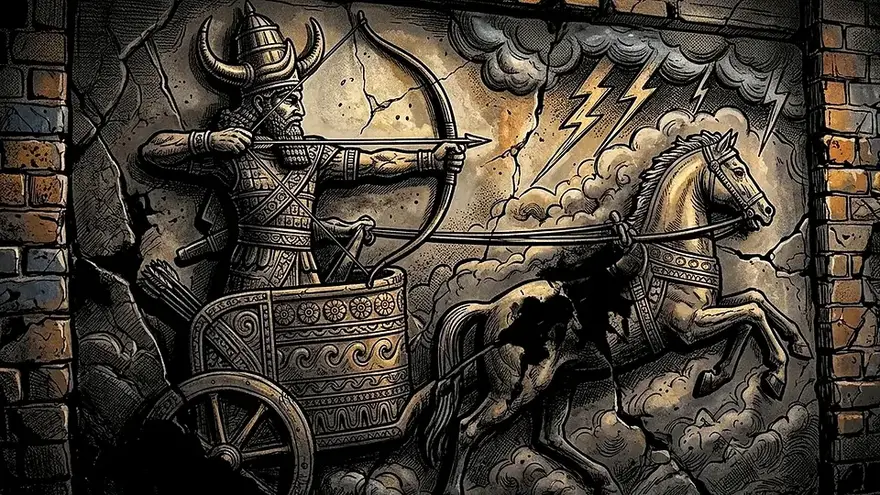
Everybody knows War, Famine, and Death—yet the first horseman wears a victor's wreath and carries a Parthian bow.
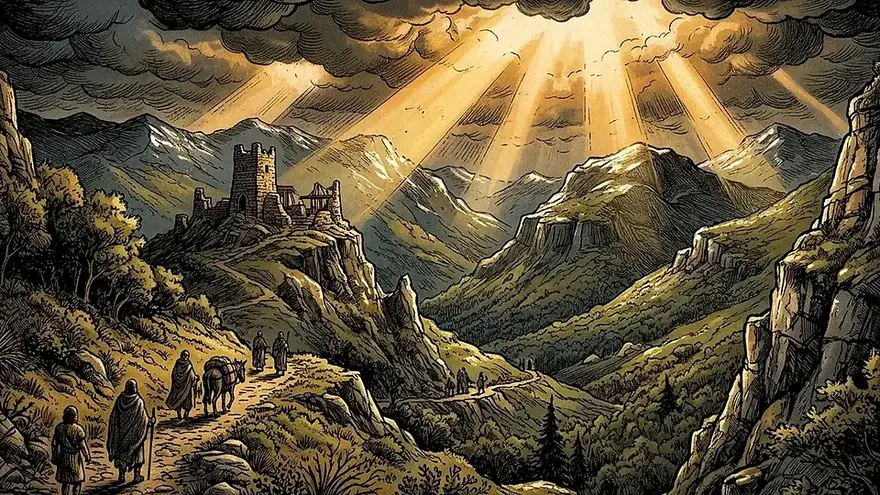
Armageddon appears once in the entire Bible—naming a 'Mountain of Megiddo' where no actual mountain exists on the map.
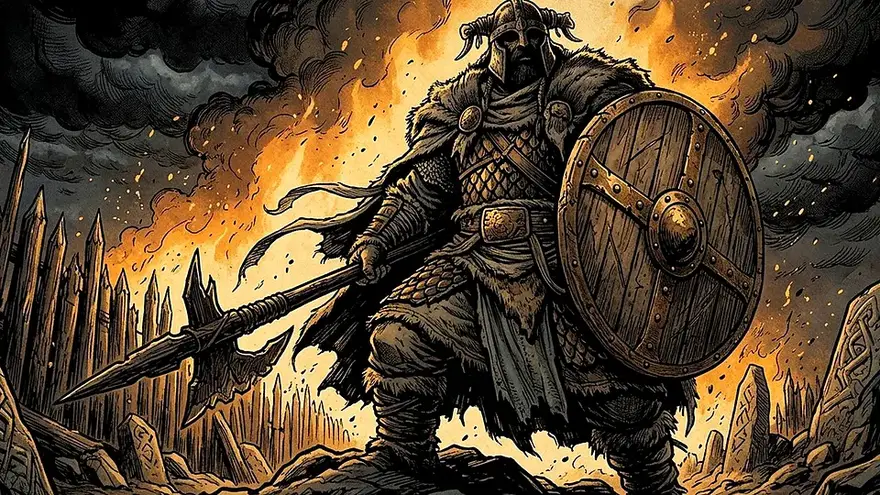
Cold War prophecy charts turned an ordinary Hebrew noun meaning 'chief' into Moscow—missing the real ancient king behind Gog.
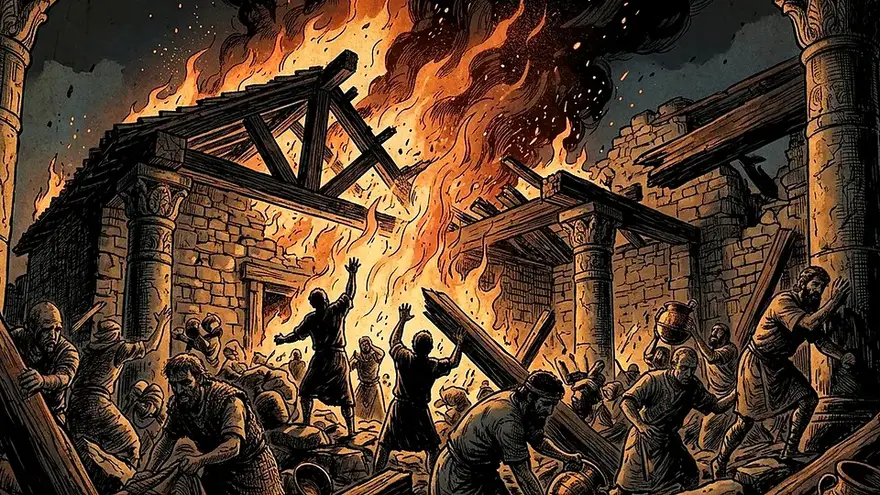
What sounds like spooky apocalyptic code began as a razor-sharp Hebrew pun mocking a Greek pagan altar inside Jerusalem's Temple.
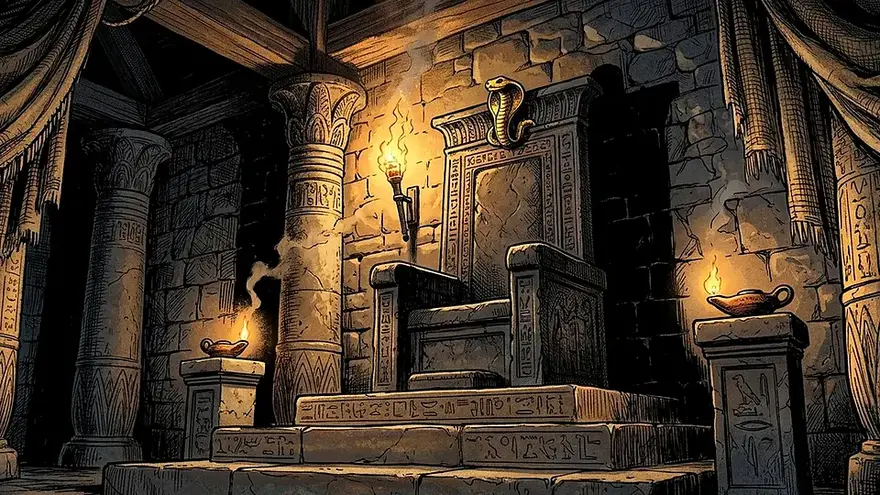
Twenty-five verses of solo divine commands suddenly shift to 'Let us make'—then snap right back to 'He created.'
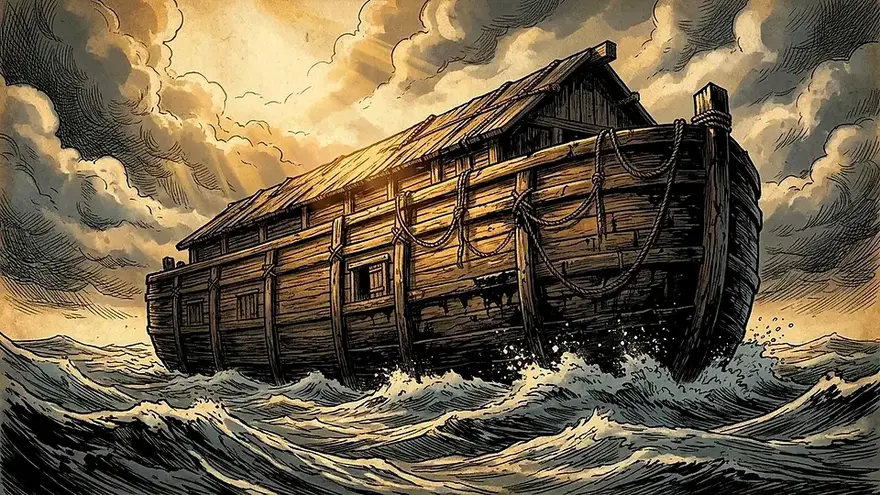
English forces translators to pick between 'earth' and 'land,' yet Moses's Hebrew uses one single word for both.
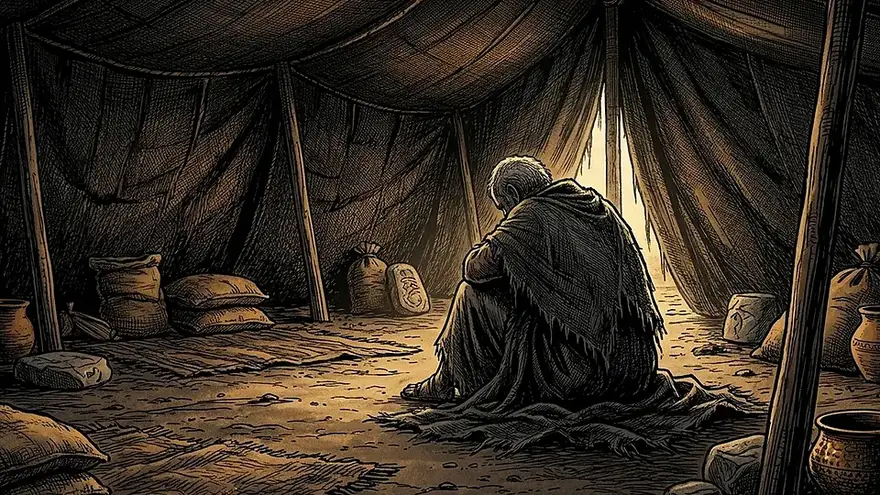
Ham walks into Noah's tent and mocks his drunken father—yet when Noah wakes up, he curses Canaan instead.
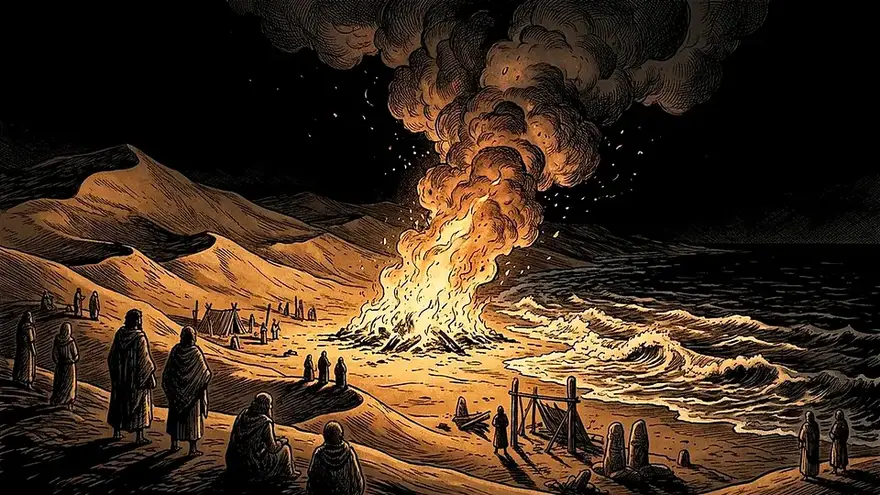
Five miles of solid rock salt still tower above the Dead Sea under the ancient Arabic name Jebel Usdum—Mount Sodom.
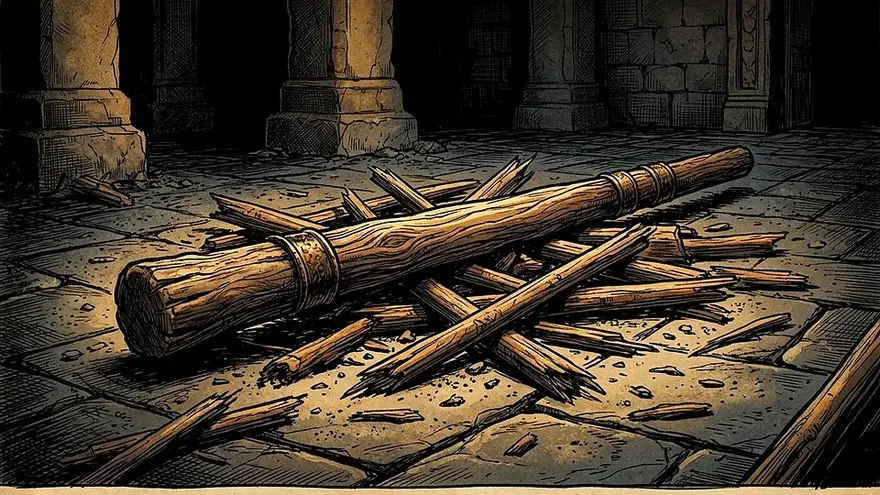
Exodus leaves Pharaoh's court magicians completely nameless—yet thirteen centuries later, Paul drops two names without blinking.
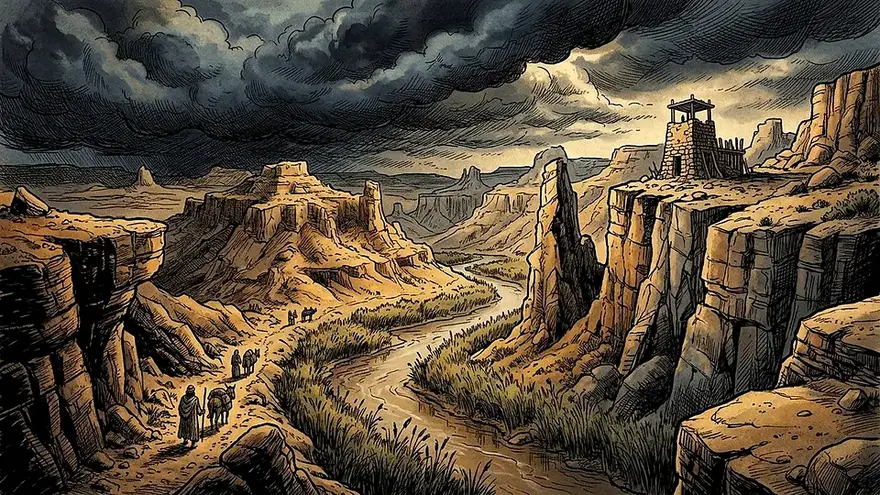
They weren't biological children of famous seers—they lived in cramped timber dormitories, played harps, and borrowed iron axes.
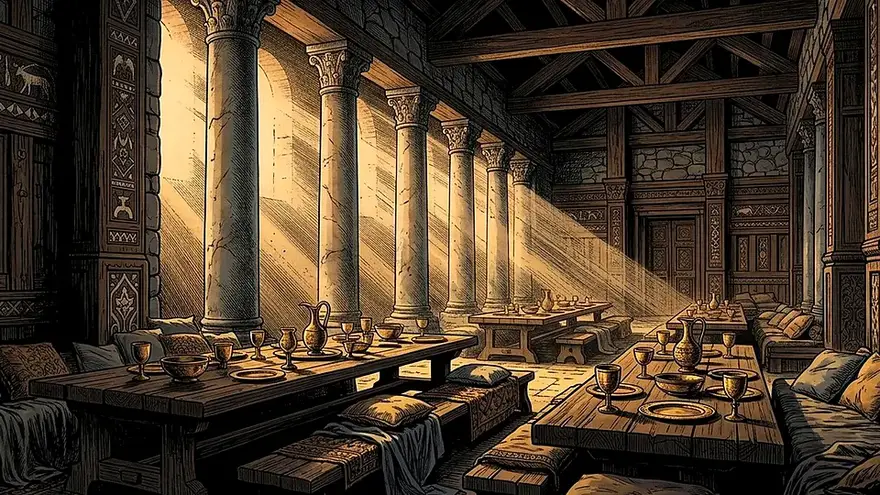
Between Esther chapter 1 and chapter 2 hides the most famous failed invasion in Greek history: Thermopylae and Salamis.
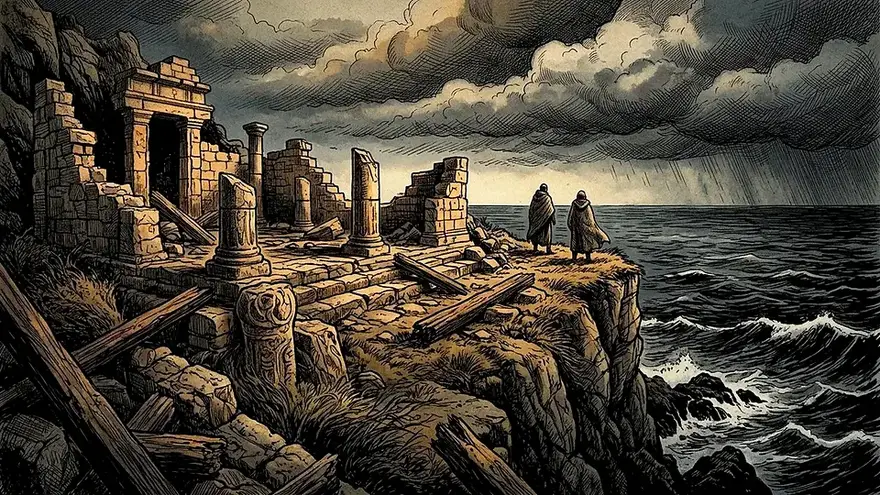
Assyrian kings bragged on palace walls about flaying rebels alive—until plagues, civil war, and a blacked-out sun hit Nineveh.
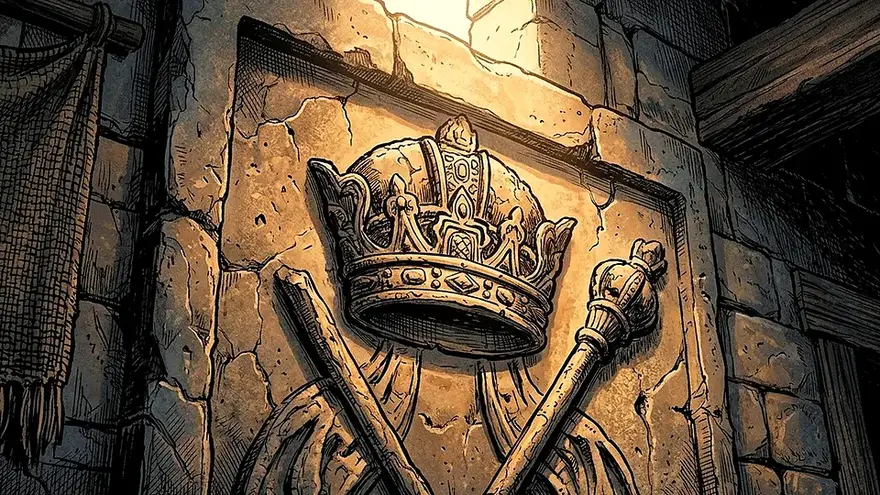
Compare Matthew 1 and Luke 3 side by side and even Joseph's own father changes names—from Jacob to Heli.
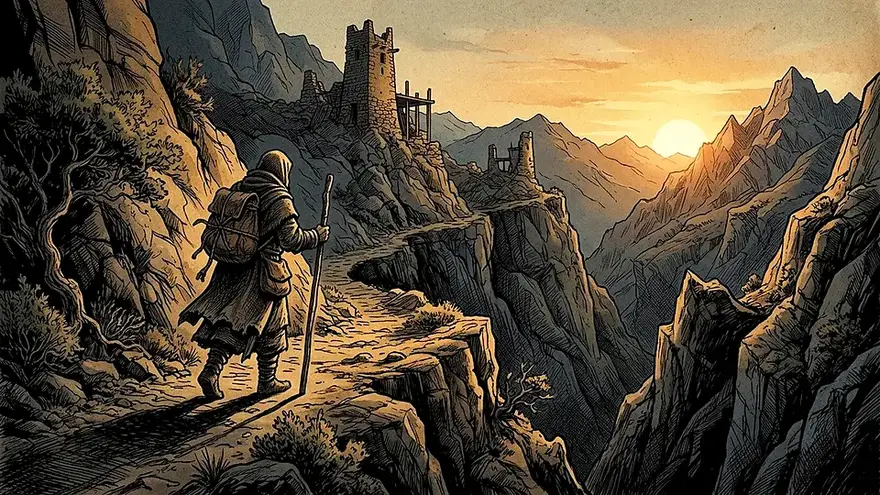
When Jesus was a boy, Samaritans snuck into Jerusalem's Temple at midnight and scattered human bones across the courtyard.
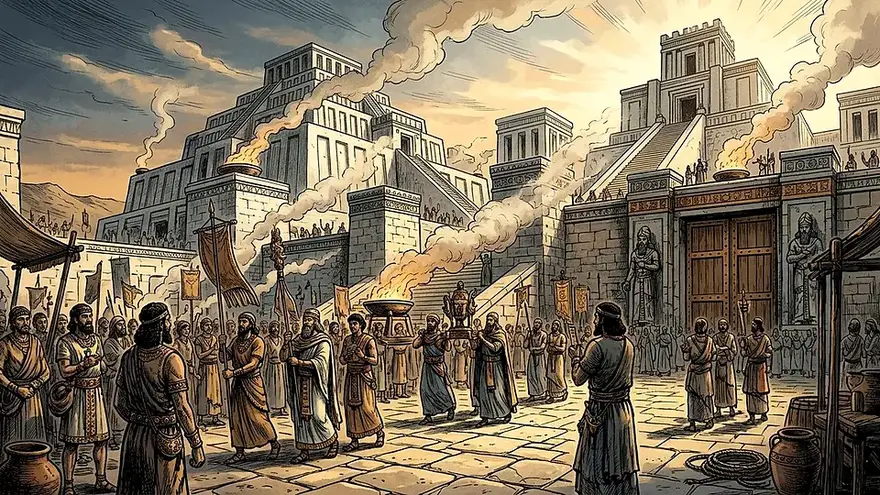
Bertrand Russell called Mark 11:13 proof Jesus lost His temper at a plant—missing both Judean botany and Mark's literary trapdoor.
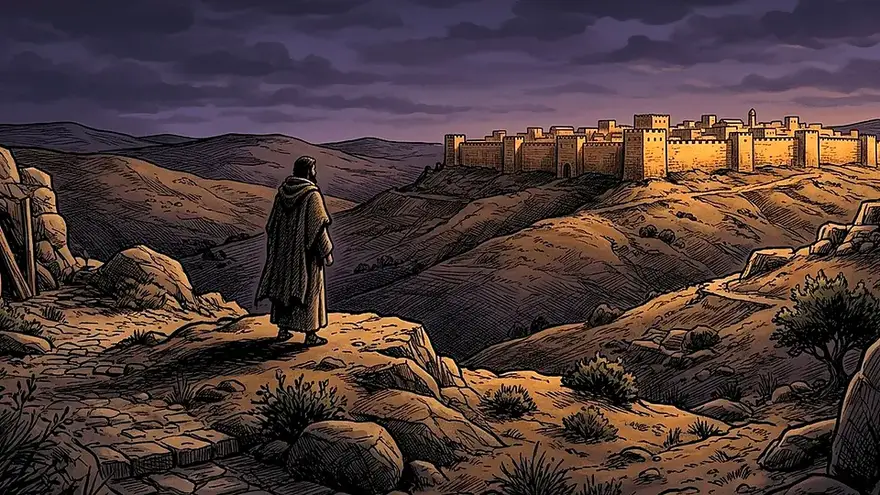
Trying to erase Christian memory in 135 CE, Roman Emperor Hadrian accidentally buried Golgotha under a protective stone time capsule.
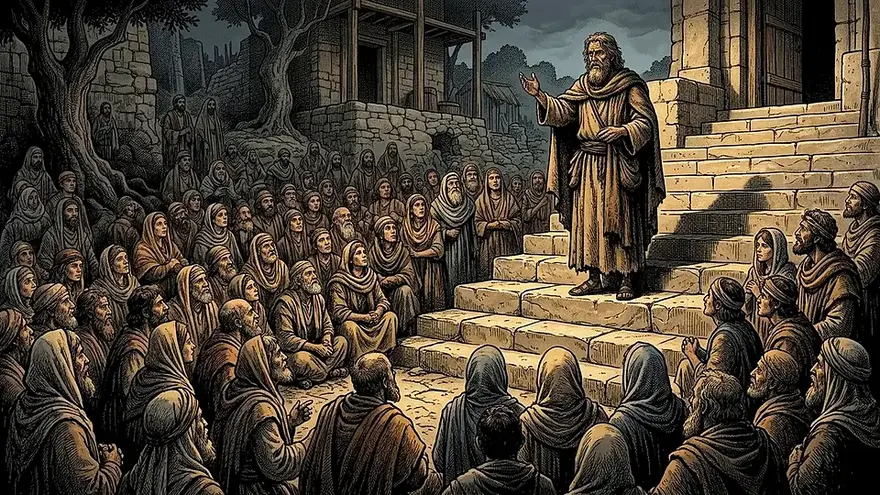
At Jerusalem's Pentecost, zero interpreters are needed; in Corinth's house churches, Paul says nobody understands a single syllable.
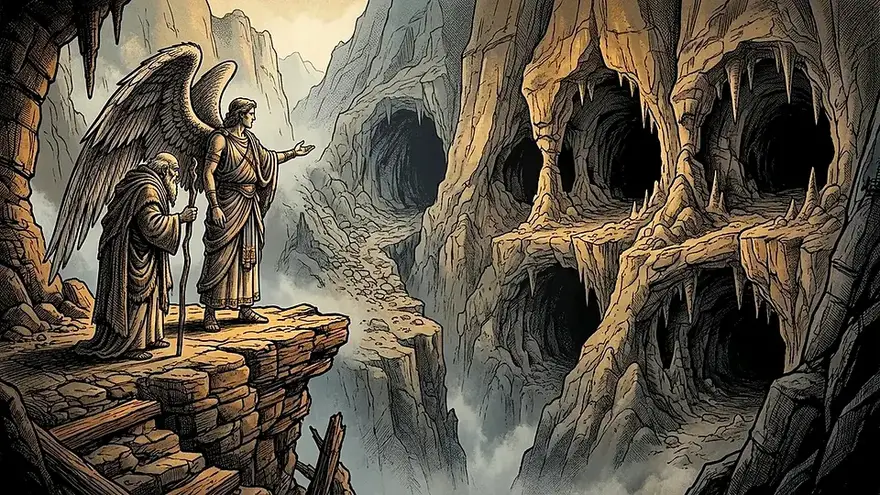
Hidden inside a twenty-five-verse letter sits a heavenly courtroom clash over Moses's corpse that never appears in the Old Testament.
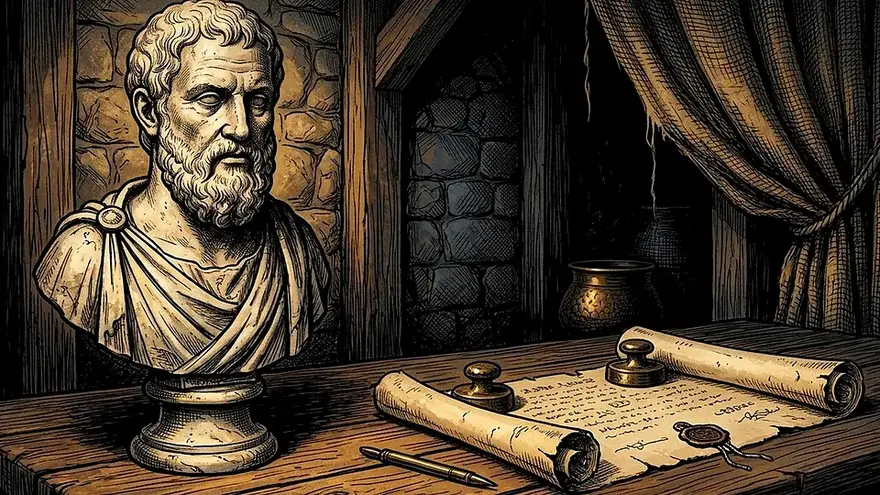
Twice in fourteen verses, the risen Christ names a forgotten first-century faction and declares flatly: 'I hate their works.'
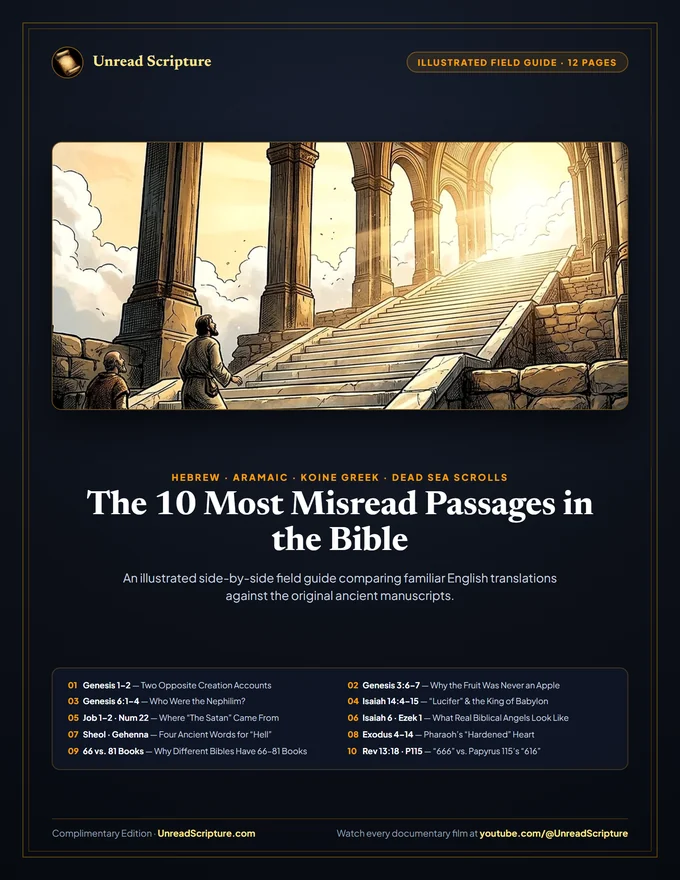
Keep the side-by-side Hebrew & Greek breakdowns offline—plus get notified when new @UnreadScripture films drop.