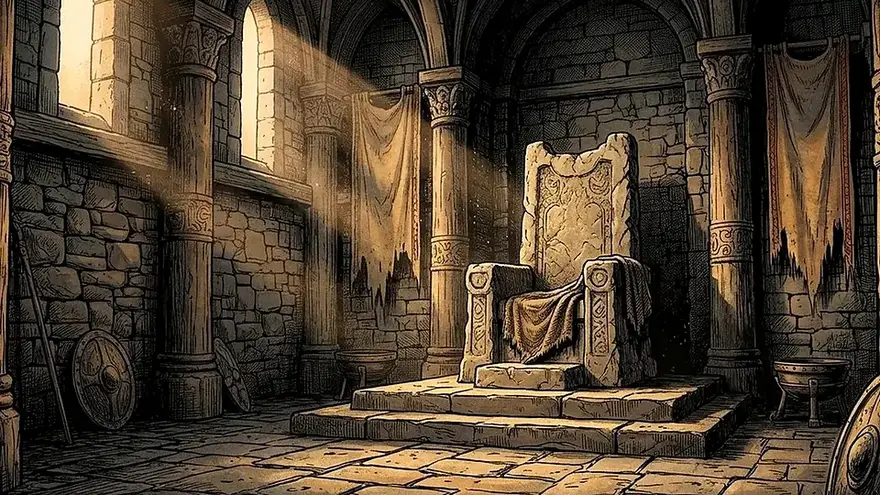
Inside the canonical Bible (1 Kings 1–11), King Solomon never summons or commands demons—he builds the Temple through human stonemasons and Phoenician craftsmen. The famous demon-binding legend grew centuries later out of 1 Kings 6:7 (banning iron tools on the Temple site), Josephus's 1st-century exorcism stories, the Talmud's Ashmedai tale, and the Greek Testament of Solomon.
What 1 Kings actually says—and the puzzle of verse 6:7
Read 1 Kings 4–8 from start to finish: Solomon is famed for proverbs, songs, botanical wisdom, and massive construction crews—never sorcery.
Yet 1 Kings 6:7 drops a tantalizing riddle: no iron hammer, chisel, or axe was ever heard at the Temple site. Practically, workers dressed stones at the quarry first; ancient storytellers wondered how gigantic blocks were cut without iron.
1 Kings 6:7“When the house was built, it was with stone prepared at the quarry, so that neither hammer nor axe nor any tool of iron was heard in the house while it was being built.”
Why It Matters: Because Hebrew shiddah we-shiddot occurs nowhere else in the Bible, ancient rabbis connected its consonants (שד) to Aramaic shedim ('demons') to explain how Solomon quarried Temple blocks without iron tools in 1 Kings 6:7.
Scrolls & Archaeology: Writing in Rome around 93 CE, Jewish historian Flavius Josephus (Antiquities 8.45–49) supplies our earliest extrabiblical link between Solomon and exorcism, reporting that he personally watched a Judean named Eleazar draw a demon out through a man's nose before Emperor Vespasian using a ring containing a Solomonic root. Modern Semitic philologists connect Ecclesiastes 2:8's shiddah instead to Ugaritic št ('lady/noblewoman'), using singular-plus-plural Hebrew idiom for 'a royal harem of women.'
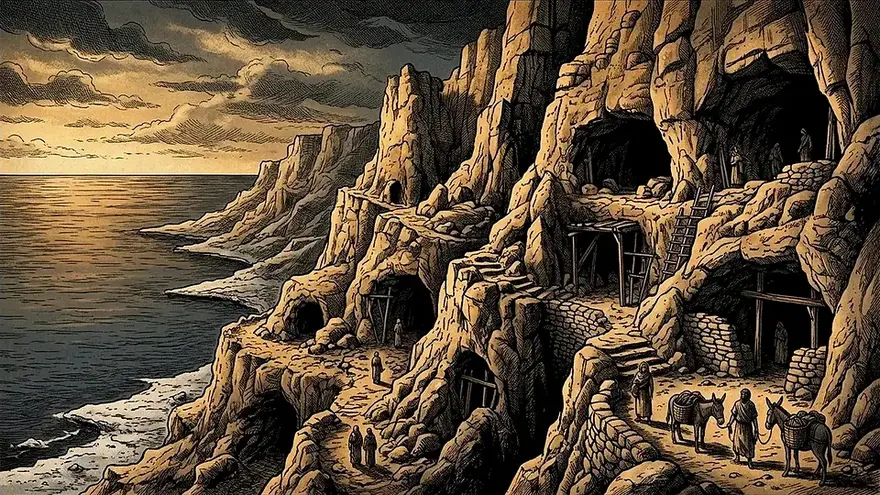
First-century eyewitness Josephus & Dead Sea Scroll 11Q11
By the time of Jesus, Solomon's reputation for wisdom over nature had expanded into mastery over spirits. Dead Sea Scroll 11Q11 pairs Solomon's name with anti-demon psalms.
Even wilder, Jewish historian Flavius Josephus claims he personally watched a fellow Jew named Eleazar draw an unclean spirit out of a man in front of Roman Emperor Vespasian using a ring and incantation attributed to Solomon.
Wisdom of Solomon 7:17, 20 (1st c. BCE)“For it is he who gave me unerring knowledge of what exists... the powers of spirits and the reasonings of men.”
The Shamir worm & Ashmedai stealing Solomon's throne (Gittin 68)
In Babylonian Talmud Gittin 68a–b, rabbis weave a moral fable: to split Temple stones without iron, Solomon captures Ashmedai (prince of spirits) using a chain stamped with God's Name to locate a tiny stone-splitting creature called the Shamir.
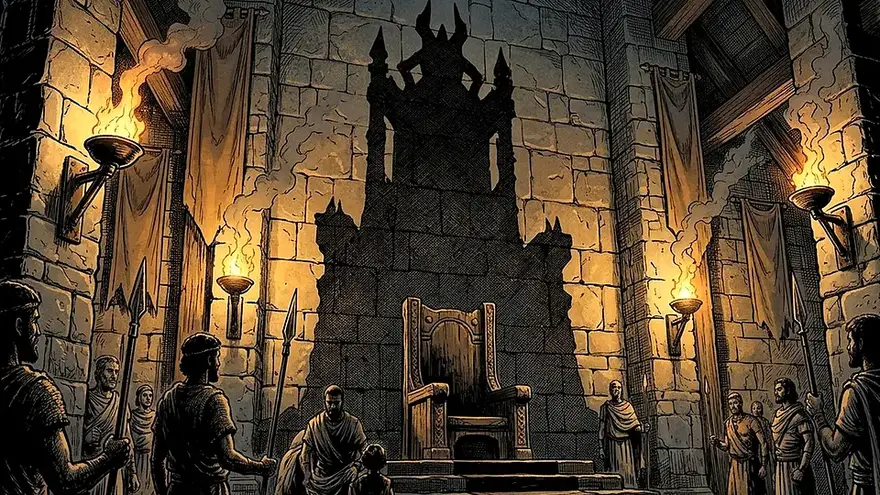
Later, Ashmedai hurls Solomon 400 leagues away and impersonates him on Jerusalem's throne—exposing how pride humbles even the wisest king.
Ecclesiastes 2:8 (The Hebrew Phrase Rabbis Debated)“I also gathered for myself silver and gold... and shiddah and shiddot *(uncertain Hebrew words read by modern scholars as 'concubines,' by ancient rabbis as 'male and female spirits')*.”
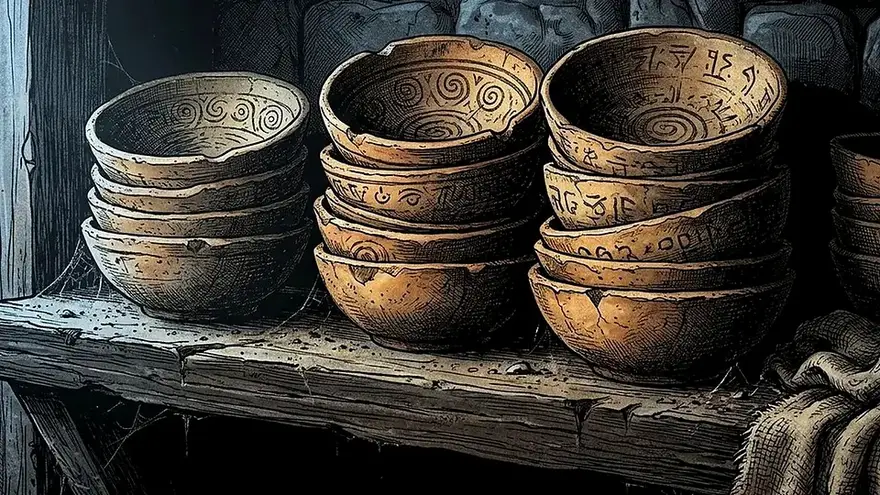
The 'Testament of Solomon' & medieval occult forgeries
Between the 1st and 5th centuries CE, a Greek-speaking author wrote the pseudepigraphal Testament of Solomon, portraying Solomon interrogating dozens of spirits with Archangel Michael's signet ring.
Over a thousand years later, Renaissance magicians in Europe forged Latin grimoires like The Lesser Key of Solomon—books written 2,500 years after the historical king of Israel.
1 Kings 11:4 (The Canonical Warning)“For when Solomon was old his wives turned away his heart after other gods, and his heart was not wholly true to the LORD his God.”
Historical Solomon (1 Kings) vs. Later Demon-Ring Legends
How a 10th-century BCE builder-king grew into medieval Europe's magician archetype.
| Source | Date | How Temple Stones Were Cut | Role of Demons |
|---|---|---|---|
| 1 Kings 5–6 (Canonical) | 10th–6th c. BCE | Human quarrymen shaped blocks off-site | Zero demons mentioned anywhere |
| Josephus (Antiquities 8.45) | c. 93 CE | Human craftsmen | Claims Solomon composed anti-demon exorcism prayers |
| Babylonian Talmud (Gittin 68) | 5th–6th c. CE | Tiny Shamir creature found via Ashmedai | Moral fable warning against royal pride |
| Testament / Lesser Key of Solomon | 3rd–17th c. CE | Demons conscripted via magic signet ring | Late pseudepigrapha & Renaissance grimoire |
What to Remember
- What 1 Kings actually says—and the puzzle of verse 6:7 (1 Kings 6:7).
- First-century eyewitness Josephus & Dead Sea Scroll 11Q11 (Wisdom of Solomon 7:17, 20 (1st c. BCE)).
- The Shamir worm & Ashmedai stealing Solomon's throne (Gittin 68) (Ecclesiastes 2:8 (The Hebrew Phrase Rabbis Debated)).