In Psalm 82:1 (Elohim nitzav ba-adat-El, be-qerev elohim yishpot, אֱלֹהִים נִצָּב בַּעֲדַת־אֵל), Biblical Hebrew uses elohim not as a badge of omnipotence, but as a 'plane-of-residence' noun for spiritual-world beings. Confirmed by Dead Sea Scroll 4QDeutʲ (Deuteronomy 32:8), YHWH stands wholly unique as Creator while judging corrupt heavenly council rulers over the nations.
Two elohim in one sentence: what Hebrew actually means by the word
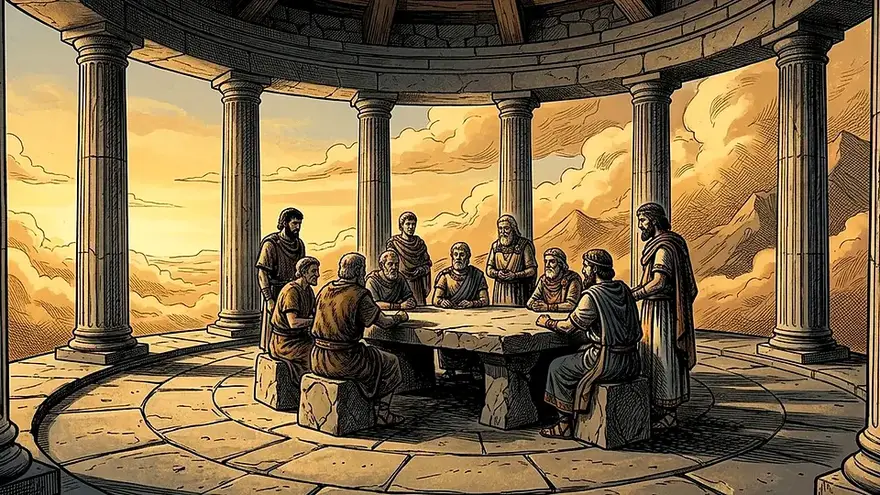
Read Psalm 82:1 literally in Hebrew and it startles modern readers: Elohim nitzav ba-adat-El, be-qerev elohim yishpot (אֱלֹהִים נִצָּב בַּעֲדַת־אֵל בְּקֶרֶב אֱלֹהִים יִשְׁפֹּט)—'God (Elohim) takes his stand in the assembly of El; in the midst of the gods (elohim) he holds judgment.' How could strictly monotheistic Psalm writers speak of plural elohim?
As Semitic scholar Michael Heiser demonstrated, modern English packs 'uncreated, all-powerful Creator' into capital-G God, whereas Biblical Hebrew uses elohim for any disembodied resident of the spiritual world—including YHWH, heavenly council members, demons (Deut 32:17), and deceased Samuel (1 Sam 28:13). YHWH remains species-unique: none among the council compares to Him (Psalm 89:6).
Psalm 82:1 & Psalm 89:6“Ps 82:1 — 'God has taken his place in the divine council; in the midst of the gods he holds judgment.' · Ps 89:6 — 'For who in the skies can be compared to the LORD? Who among the heavenly beings is like the LORD?'”
Why It Matters: Before Israel even existed at Babel (Genesis 10–11), 'number of the children of Israel' made scant chronological sense; Dead Sea Scroll 4QDeutʲ proved the original Hebrew read 'sons of God'—explaining who the corrupt territorial 'gods' (elohim) judged in Psalm 82 actually are!
Scrolls & Archaeology: Copied around 50 BCE and published by Julie Ann Duncan in 1995, Qumran Cave 4 fragment 4Q37 (4QDeutʲ, col. XII, line 14) clearly preserves benei Elohim ('sons of God'), confirming oldest Greek Septuagint papyrus Rahlfs 848 (P.Fouad 266, 1st century BCE) reading huiōn theou. Later proto-Masoretic scribes altered the phrase to 'sons of Israel' (alluding to Genesis 46:27's 70 descendants matching Genesis 10's 70 nations) to shield unguarded readers from polytheism.
Dead Sea Scroll 4QDeutʲ and the Tower of Babel split (Deut 32:8)
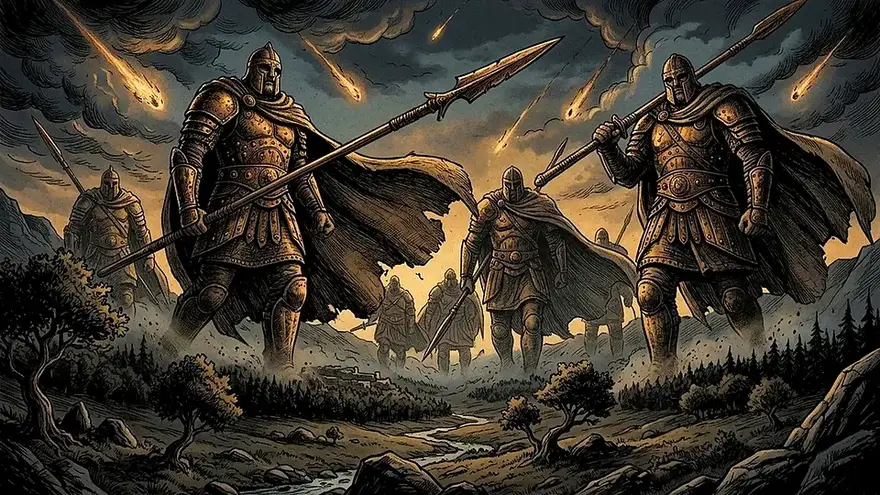
How did lesser spiritual beings end up governing earthly nations unjustly in Psalm 82:2–4? Medieval Masoretic manuscripts of Deuteronomy 32:8 read that when the Most High divided humanity (at the Tower of Babel in Genesis 11), He fixed national borders 'according to the number of the sons of Israel'—even though Israel did not yet exist at Babel!
Cave 4 at Qumran solved that ancient riddle: Dead Sea Scroll 4QDeutʲ reads benei ha-Elohim (בְּנֵי הָאֱלֹהִים)—'according to the number of the sons of God' (matching early Septuagint manuscripts). After humanity disowned YHWH at Babel, God allotted the Gentile nations to lesser council princes (compare Daniel 10:13, 20) while claiming Jacob for Himself.
Deuteronomy 32:8–9 (Dead Sea Scroll 4QDeutʲ / ESV)“When the Most High gave to the nations their inheritance, when he divided mankind, he fixed the borders of the peoples according to the number of the sons of God. But the LORD's portion is his people.”
Why 'human judges' struggles with verses 6–8 ('Die like mortals')
To guard monotheism, later rabbinic commentators proposed that the elohim in Psalm 82 were corrupt human magistrates in Israel. Yet weigh the sentence YHWH pronounces in verses 6–7: 'I said, You are gods (elohim), sons of the Most High (benei Elyon), all of you; nevertheless, like mortals (ke-adam) you shall die, and fall like any prince.'
Warning mortal politicians 'You will die like mortals!' flattens the threat, and Psalm 89:5–7 explicitly places the 'council of the holy ones' in the skies (ba-shachaq). Verse 8 then cries, 'Arise, O God, judge the earth; for you shall inherit all the nations!'—anticipating Christ reclaiming every nation.
Psalm 82:6–8“I said, 'You are gods, sons of the Most High, all of you; nevertheless, like men you shall die, and fall like any prince.' Arise, O God, judge the earth; for you shall inherit all the nations!”
Why Jesus quoted Psalm 82:6 in John 10:34 when crowds grabbed stones
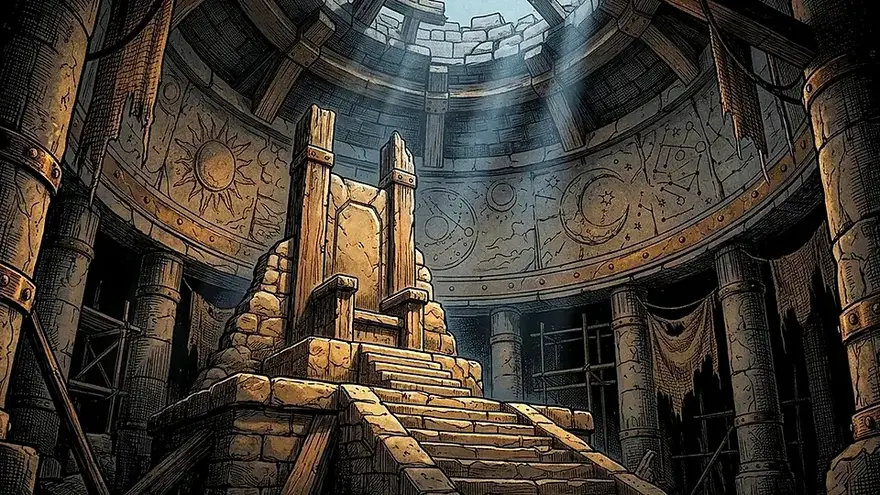
At Jerusalem's Winter Feast of Dedication in John 10:30, Jesus declares, 'I and the Father are one.' Outraged opponents grab rocks for blasphemy because 'you, being a man, make yourself God.' In John 10:34–36, Jesus halts them by quoting Psalm 82:6: 'Is it not written in your Law, I said, you are gods?'
Jesus isn't demoting Himself to a created spirit or human judge; He applies classic rabbinic qal wa-chomer ('how much more!') logic. If unbreakable Scripture applied elohim to flawed subordinate rulers who received God's word, how much more can the One consecrated and sent by the Father rightly claim 'I am the Son of God'!
John 10:34–36“Jesus answered them, 'Is it not written in your Law, "I said, you are gods"? If he called them gods to whom the word of God came—and Scripture cannot be broken—do you say of him whom the Father consecrated and sent into the world, "You are blaspheming," because I said, "I am the Son of God"?'”
How Biblical Hebrew Uses 'Elohim' (אֱלֹהִים) Across Six Categories
Why Hebrew grammar distinguishes plane-of-residence ('spiritual being') from YHWH's unique Creator attributes.
| Referent in Scripture | Key Verse | Grammar / Context Clue | Relationship to YHWH |
|---|---|---|---|
| YHWH, God of Israel | Genesis 1:1; Deut 6:4 | Paired with singular verbs ('Elohim created [bara]') | Uncreated, eternal, omnipotent Creator of all |
| Divine Council Members | Psalm 82:1, 6; Psalm 89:6 | Plural elohim / benei Elyon judged inside 'assembly of El' | Created heavenly rulers accountable to YHWH |
| Territorial Deities of Nations | 1 Kings 11:33; Deut 32:8 | Astarte, Chemosh, Milcom; allotted nations seducing worship | Stripped of authority by Christ's cross (Col 2:15) |
| Demons (Shedim) | Deuteronomy 32:17 | 'They sacrificed to demons (shedim) that were not Eloah' | Rebel spiritual beings masquerading behind idols |
| Departed Human Spirit | 1 Samuel 28:13 | Medium at Endor sees deceased prophet Samuel rising ('elohim ascending') | Disembodied human dead in the unseen realm |
What to Remember
- Biblical Hebrew applies elohim to YHWH, council beings (Psalm 82:1), territorial spirits, and even departed Samuel (1 Sam 28:13) because it denotes spiritual-world residency, while YHWH alone is uncreated.
- Dead Sea Scroll 4QDeutʲ reads 'sons of God' in Deuteronomy 32:8, explaining how lesser heavenly beings received temporary jurisdiction over Gentile nations after Babel.
- In John 10:34–36, Jesus cites Psalm 82:6 with 'light-to-heavy' rabbinic logic to show His opponents He can rightly call Himself the consecrated Son of God.