Older English Bibles such as the 1611 King James Version translated four distinct ancient words—Hebrew Sheol and Greek Hades, Gehenna, and Tartarus—with the single English word 'hell.' In the Hebrew Bible, Sheol is the universal grave or realm of the dead where righteous and wicked alike go down to silence (Genesis 37:35; Ecclesiastes 9:10), translated Hades in Greek. When Jesus warns of fiery judgment, He uses Gehenna (Gei Ben-Hinnom), a real ravine south of Jerusalem infamous in Jeremiah 7 and 2 Kings 23 for child sacrifices and prophetic judgment—not a 1st-century garbage dump, a rumor first attested around 1200 CE.
Sheol: Why the Old Testament has no fiery underground torture chamber
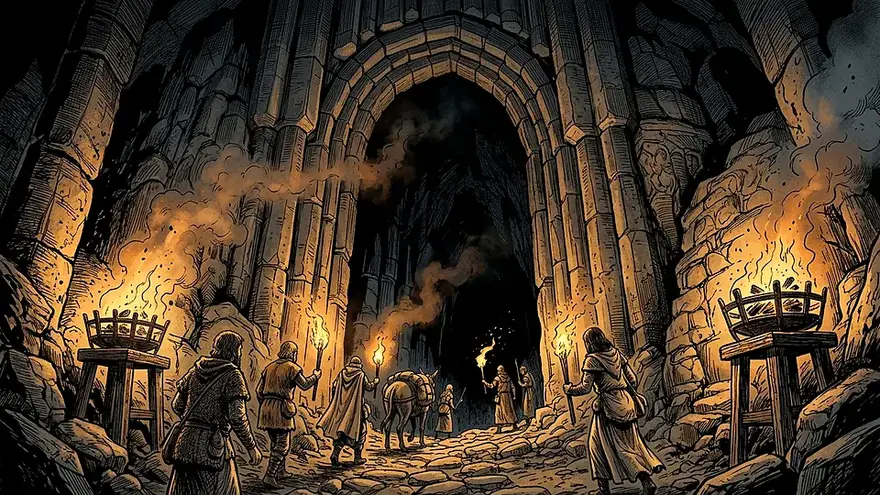
In the Hebrew Bible, when righteous heroes like Jacob, Job, or David talk about dying, they say they are going down to Sheol.
Sheol isn't a furnace for bad people—it is the quiet, shadowy realm of the grave where kings and beggars alike sleep in the dust.
Genesis 37:35 (Jacob mourning Joseph)“'No, I shall go down to Sheol to my son, mourning.' *(Translated 'down into the grave' in NIV, 'down into hell' in KJV)*”
Why It Matters: Translating Hebrew Sheol, Greek Hades, Jerusalem's Valley of Hinnom (Gehenna), and the angelic prison Tartarus with the single English noun 'hell' collapsed four distinct biblical concepts into one medieval picture.
Scrolls & Archaeology: The popular sermon claim that Gehenna (Wadi er-Rababi, curling directly beneath Jerusalem's southern walls) burned continuously as a first-century municipal garbage dump appears in zero Roman, Dead Sea Scroll, or rabbinic sources prior to Rabbi David Kimhi's commentary on Psalm 27:13 around 1200 CE. Archaeological excavations along the Hinnom ravine by Gabriel Barkay uncovered wealthy Iron Age and Second Temple rock-cut family tombs rather than first-century refuse incinerators.
Gehenna was a real valley outside Jerusalem—NOT a burning trash dump
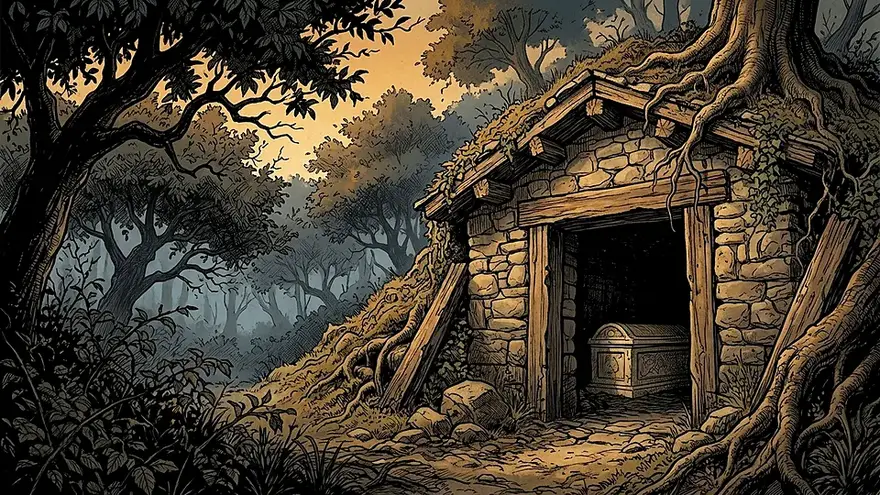
When Jesus warns of fiery judgment in the Gospels, the Greek word He uses isn't Hades—it's Gehenna (Hebrew Gei Ben-Hinnom, the Valley of Hinnom just outside Jerusalem's southern wall).
Why was Hinnom infamous? Not because Romans burned garbage there (a myth first invented around 1200 CE with zero archaeological proof!), but because apostate Judahite kings once burned their own children there before Jeremiah cursed it as the 'Valley of Slaughter.'
Jeremiah 7:31–32“They have built the high places of Topheth, which is in the Valley of the Son of Hinnom... therefore it will be called the Valley of Slaughter.”
Tartarus: Borrowed once from Greek myth for rebel angels
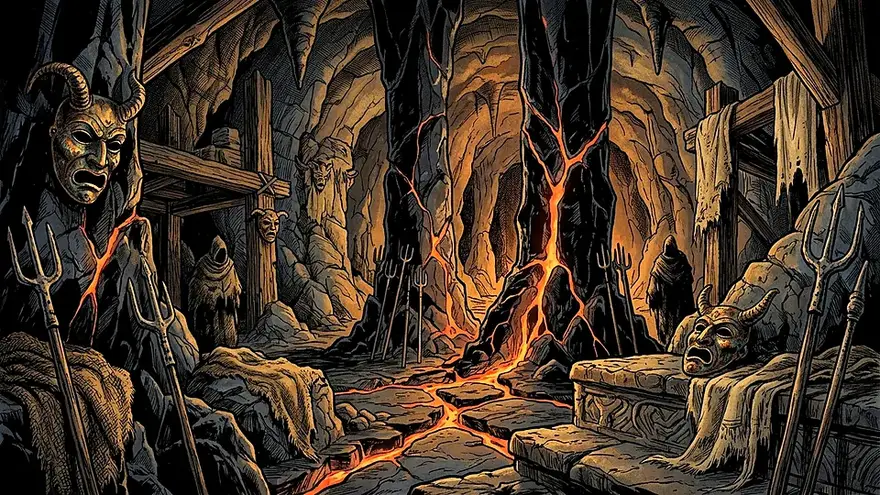
Only once in the entire New Testament—2 Peter 2:4—does a writer use the Greek verb tartaroo ('cast into Tartarus'), translated 'hell' in English Bibles.
In Greek and Jewish Enochic writing, Tartarus wasn't for humans at all; it was the subterranean abyss holding the rebel angels of Genesis 6.
2 Peter 2:4“For if God did not spare angels when they sinned, but cast them into Tartarus and committed them to chains of gloomy darkness...”
Why modern Bibles quietly stopped printing 'hell' 40+ times
Compare the 1611 King James Bible (which prints 'hell' 54 times) against modern translations like the ESV, NIV, or NRSV (which print it only 12–14 times, zero times in the Old Testament).
Nothing was deleted from the manuscripts—modern translators simply stopped lumping the silent grave (Sheol/Hades) together with final judgment (Gehenna).
Acts 2:31 (Quoting Psalm 16:10)“He foresaw and spoke about the resurrection of the Christ, that he was not abandoned to Hades, nor did his flesh see corruption.”
One Map Explains “Hell,” “Hades,” “Paradise,” and Holy Saturday
Tap any numbered pin on the cross-section below to see the four different places older English Bibles blurred together.
Gehenna (Cursed Valley of Hinnom)
A real rocky ravine just outside Jerusalem's south wall where ancient kings once burned offerings in fire. When Jesus warns of 'hell' (Gehenna), He is pointing straight at this cursed valley of final judgment—not underground Sheol.
Read the Full Story →How Modern Translations Corrected the 1611 KJV on 'Hell'
Nothing vanished from the manuscripts—translators stopped collapsing four distinct realms.
| Original Term | Occurrences | Literal Meaning | 1611 KJV vs. Modern ESV/NIV |
|---|---|---|---|
| Sheol (Hebrew) | 65× in OT | Silent subterranean grave of all dead | KJV: 'hell' 31× / 'grave' 31× · ESV/NIV: 0× 'hell' |
| Hades (Greek) | 10× in NT | Interim realm of departed souls | KJV: 'hell' · ESV/NRSV: transliterates 'Hades' |
| Gehenna (Greek/Heb.) | 12× in NT | Valley of Hinnom south of Jerusalem | Both render 'hell' (eschatological judgment) |
| Tartaroo (Greek) | 1× (2 Pet 2:4) | Subterranean prison for rebel angels | English: 'hell' (footnote: 'Tartarus') |
What to Remember
- Sheol occurs 65–66 times in the Hebrew Bible and never denotes a fiery chamber of eternal torment; righteous patriarchs like Jacob expect to descend to Sheol.
- The popular preacher claim that Gehenna was a perpetually burning Roman trash heap has zero 1st-century archaeological or literary evidence; it originates with medieval commentator David Kimhi (c. 1200 CE).
- Tartarus (tartaroo) appears only once in the entire Bible (2 Peter 2:4), specifically describing imprisoned rebellious angels rather than human souls.